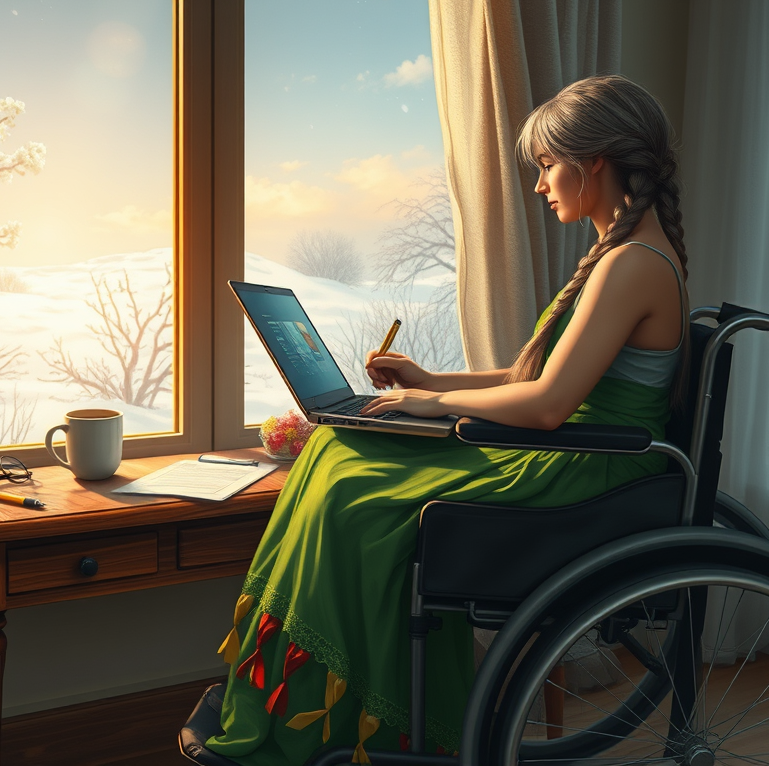
Hey everyone!
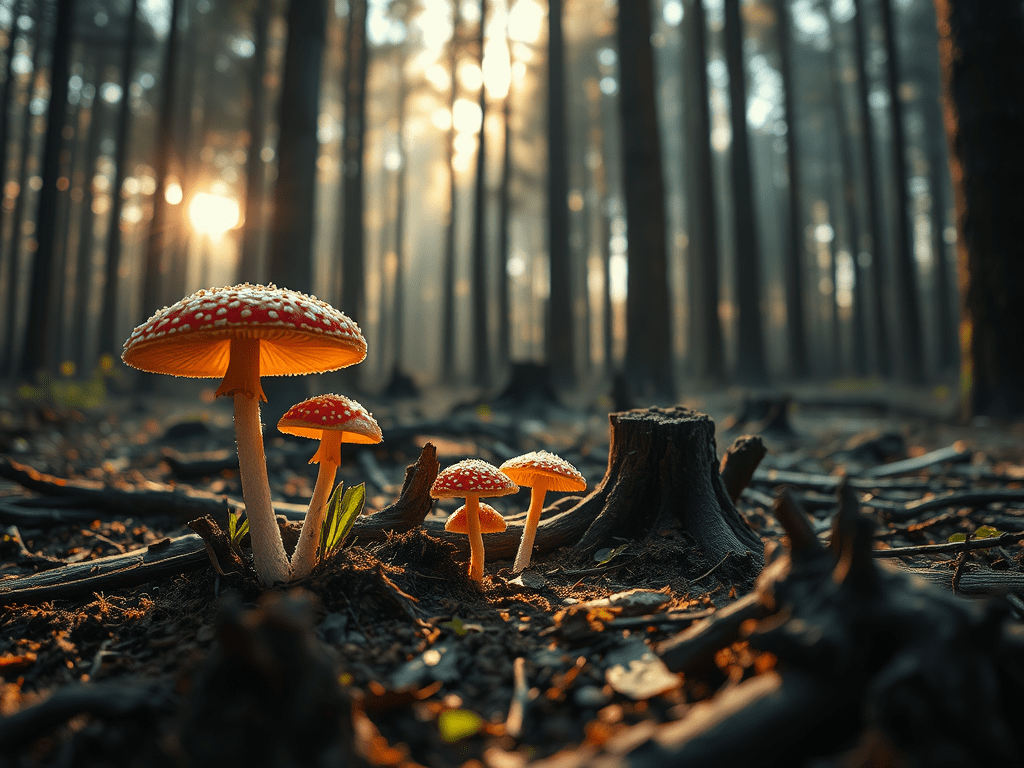
Let’s start with a surprising fact that ties into today’s theme: Did you know some types of mushrooms only grow after a forest fire? Nature has a way of turning destruction into creation—a beautiful reminder that growth can emerge from the darkest places. Welcome back, or a warm hello to those joining for the first time!
Sadness—it’s an emotion we all encounter, yet one we often try to avoid. But the truth is, sadness can be a powerful teacher. It pulls us inward, asking us to reflect, process, and ultimately grow. Rather than a sign of weakness, it can be a doorway to resilience and self-discovery.
For neurodiverse individuals, sadness might carry extra layers. Take ASD or AuDHD, for example—emotions can sometimes feel intense, even overwhelming. The sensory aspects of sadness, like tears or physical heaviness, may amplify the experience. Processing sadness might not come naturally; it could take longer or happen in unexpected ways. But there’s strength in embracing the unique path your emotions take. Just like mushrooms blooming in scorched earth, growth through sadness can lead to transformations you never saw coming.
The concept of accepting emotions, even difficult ones like sadness, has a physiological basis that might surprise you. As discussed on the AuDHD Flourishing Podcast, Mattia Mauree explains: “Emotions physiologically, most of them last for 60 to 90 seconds in the body, if we don’t grab onto them and do anything with them. Like that’s the hormone wash or whatever is happening with that particular thing.” Jes adds: “Which sounds so fake if you’re someone who’s been like dissociating from your emotions for forever. Like 90 seconds, no fricking way, but no, yeah, I’m telling you, 90 seconds, that’s it.” Mattia confirms: “Yeah, it does feel fake, but it is in fact real. That is how emotions work a lot of the time.”
For me, hearing this on the podcast made so much sense as to why I handle things the way I do now. People often tell me I have a positive perspective, but the truth is, I’ve never tried to hide from my emotions themselves—just from the triggers. A few years ago, it was a completely different story. Back then, I was ruled by my emotions, especially sadness, because I fought them and tried to run away. But something shifted. I didn’t have the energy to fight them anymore, so I started accepting them instead. Without knowing it, I stumbled onto the very thing Mattia and Jes talked about. I didn’t understand why it worked at the time, but now I do. Thank you, Mattia and Jes, for putting it into words.
For those navigating CPTSD, sadness might not feel fleeting. It often intertwines with trauma, bringing waves of grief that feel overwhelming and unending. Triggers can bring sadness crashing down, pulling you back to moments you thought you’d left behind. In these cases, processing sadness takes courage and time. It’s about acknowledging those waves, finding grounding tools to manage them, and honoring your experiences rather than burying them.
Allistic individuals experience sadness differently, too. For many, sadness might come in bursts—a tough day, bad news, or heartbreak. It might not carry the sensory or trauma-based layers that neurodiverse individuals face, but it’s still deeply impactful. Sadness asks us to slow down, to reflect, and to give ourselves permission to feel. Whether neurodiverse or allistic, sadness is universal, even if its texture changes from person to person.
One of the incredible things about sadness is its depth. Unlike lighter emotions, sadness demands that we go deeper—to examine what’s beneath the surface and what it’s trying to tell us. When sadness hits, it often points to something important—a relationship that needs attention, a goal that feels out of reach, or even a change that’s long overdue. It doesn’t just pass through; it settles in, leaving wisdom for those who take the time to listen.
Sadness also fosters connection. Think about how comforting it feels when someone truly understands your pain—whether it’s a friend, loved one, or even a stranger who’s been through something similar. Sadness reminds us that we’re not alone. It breaks down barriers and builds bridges, allowing us to find strength in shared experiences.
And, like most emotions, sadness isn’t permanent. It ebbs and flows, eventually making room for joy, hope, and growth. The beauty of sadness is that it teaches us to appreciate these moments even more. After a period of grief, laughter feels brighter, love feels deeper, and life feels richer.
For someone navigating sadness, the tools to manage it can vary. Grounding techniques like journaling, practicing gratitude, or simply sitting with the emotion can help process and make sense of it. Leaning on community—whether it’s trusted friends or online support groups—can also be invaluable. And sometimes, it’s about giving yourself permission to just feel sad without rushing to fix it. Emotions aren’t problems to solve—they’re experiences to navigate.
Ultimately, sadness shows us the strength we didn’t realize we had. It’s the emotion that brings growth through hardship, allowing us to emerge with a deeper understanding of ourselves and the world around us. Whether you’re neurodiverse or allistic, sadness is part of the human experience—and it’s one of the emotions that shapes us most profoundly.
Let’s hear from you! How has sadness shaped your journey? Maybe it taught you something about yourself, deepened your connections, or led to an unexpected form of growth. Share your story in the comments—your experience matters, and it might inspire someone who needs it.
 Who am I?
I would love to hear from you!