

Today, I’ve once again found myself utterly consumed by thoughts of wolves. What is it about these creatures that makes them endlessly fascinating? This time, my mental explorations have fixated on the Tundra Wolf, a subspecies of the grey wolf. Yes, I know, I should probably be focusing on something more practical, like organizing my sock drawer or wondering whether I really need another houseplant, but no—wolves it is. Specifically, the elegant and enigmatic Tundra Wolf. Let me tell you, these guys are something else entirely. Imagine this: a four-legged canine, majestically wandering the frozen expanses of Russia, particularly around the Kamchatka Peninsula, where the volcanic landscape meets icy tundra in an almost surreal clash of elements. If that doesn’t scream “worthy of obsessive thought,” then truly, what does?
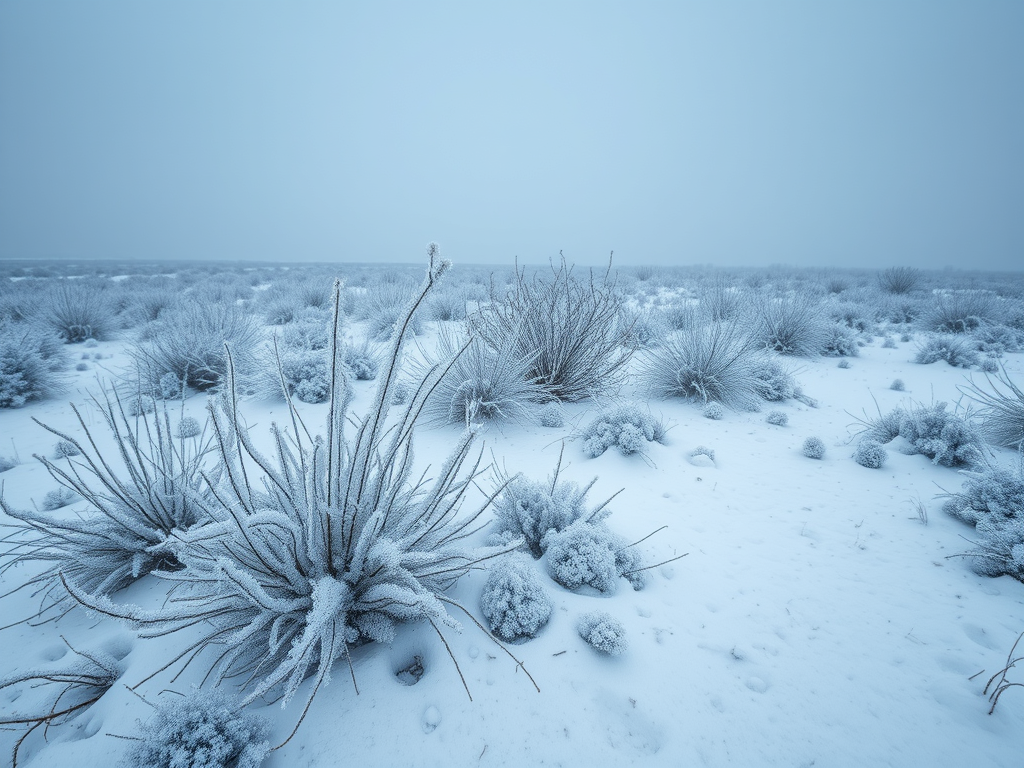
Now, I’m not saying these wolves throw on a furry ushanka hat and bark in Russian accents—though let’s be honest, the image is delightful—but they certainly seem to have staked their claim on Russia’s wild terrain. Occasionally, just to keep things interesting, you might spot them in the frosty northern reaches of Scandinavia, though these sightings are less common. These wolves are no small fry. Let’s put their size into perspective: these Tundra Wolves can weigh up to 90 pounds, which is roughly the size of a small adult human or, say, the world’s most stubborn Labrador retriever. Now imagine that weight combined with the raw power, agility, and sheer elegance of a predator completely at ease in its domain. Pretty intimidating, right?
Their fur, oh their fur! It’s usually a light, fluffy grey, as if Mother Nature decided these creatures deserved to look like walking snow clouds. But, of course, every so often, there’s a wolf that bucks the trend, sporting a coat with hints of brown, white, or even black, as though auditioning for the role of a tundra chaos model. The fur isn’t just for show, though—it’s their armor against the harsh conditions of the Arctic and sub-Arctic climates. The Tundra Wolf’s coat is dense and multilayered, offering insulation in temperatures that would freeze most other beings into statues. The undercoat traps warm air close to their bodies, while the longer guard hairs repel snow and moisture, making these wolves exceptional survivors even in the worst of winters.
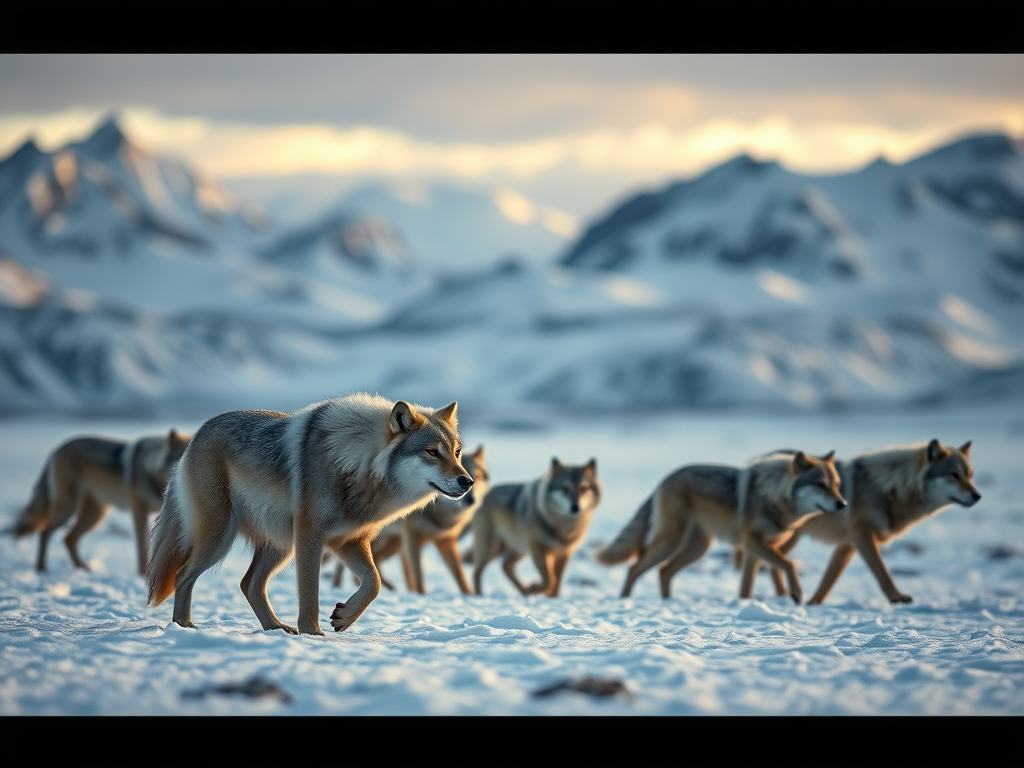
Talking about survival, did I mention they’re practically superhero-level adaptive? These wolves thrive in the cold environments of the tundra, adapting to snowstorms, freezing rain, biting winds, and temperatures that dip well below zero. Their paws are wide, almost like built-in snowshoes, preventing them from sinking into the snow as they traverse vast icy expanses. Their lungs are capable of taking in frigid air and warming it before it reaches their bloodstream—a biological hack if I’ve ever heard one. It’s like nature handed them a cheat code for surviving the tundra that rivals the cheat code for the latest game.
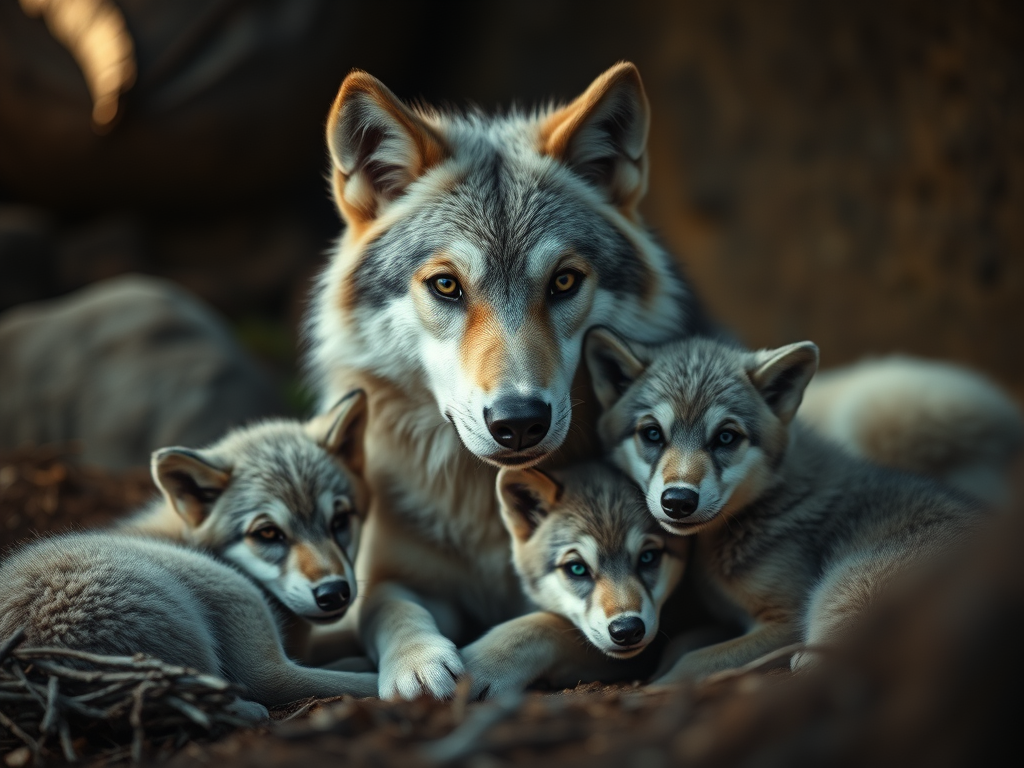
These wolves are some of the most resilient subspecies known to science. They’re not just surviving—they’re thriving in places where humans would be huddled under fifteen blankets, crying about the lack of Wi-Fi. They are powerful hunters, relying on strength, endurance, and razor-sharp instincts to track their prey. Let me tell you, hunting in the tundra is no walk in the park. It’s more like a cross-country marathon mixed with a tactical stealth mission. Their prey typically consists of caribou, musk oxen, hares, and other creatures that share their frigid home, though they’ll occasionally settle for smaller mammals or birds if pickings are slim. They coordinate with their packmates, employing strategies that would make the most seasoned military commander nod in approval.
Yet life isn’t all snowflakes and caribou steaks for the Tundra Wolf. Here’s where it gets heartbreaking. These majestic creatures are facing a barrage of threats that make their survival increasingly precarious. First on the list: habitat degradation. Humans, with our materialistic habits are extracting resources, not maintaining balance, also are carving up the tundra like it’s a particularly enticing pie. Industrial developments—pipelines stretching across frozen landscapes, mining operations digging into the earth, and roads that slice through pristine wilderness—are wreaking havoc on the wolves’ natural environment. This disruption forces them to travel farther to find prey, which is exhausting and dangerous. Imagine your fridge being relocated 16 kilometers away and the trek to get there involving dodging traffic. That’s the equivalent of what these wolves are dealing with.
Then there’s climate change, the invisible menace altering the tundra ecosystem in ways we’re only beginning to understand. Rising temperatures in the Arctic are thawing permafrost, altering vegetation patterns, and reducing the populations of key prey species like caribou and musk oxen. For the wolves, this means food shortages and increased competition with other predators. It’s like showing up to a buffet, only to find that someone has scooped up all the good dishes, leaving behind a sad-looking plate of wilted lettuce. Survival, already challenging, becomes even harder under these conditions.
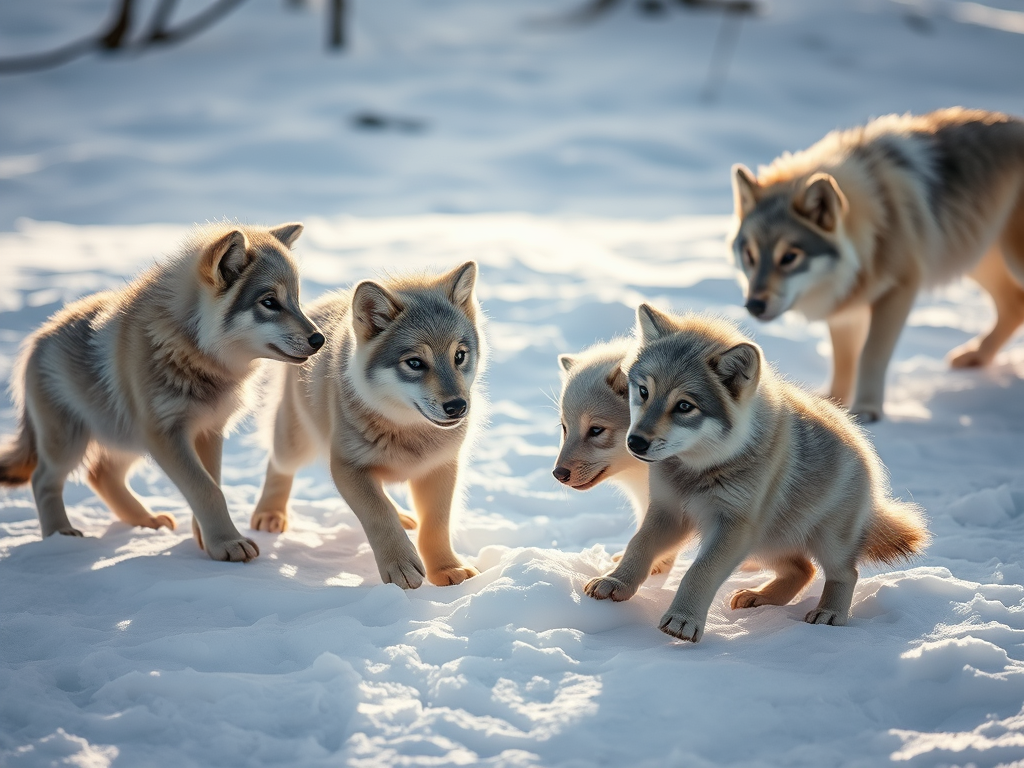
Human activity doesn’t just stop at ruining the wolves’ environment; it also disrupts their social structure, which is crucial for their survival. Tundra Wolves are pack animals, and their packs function like tight-knit families, complete with hierarchies, roles, and shared responsibilities. When their habitats are fragmented or their packs are disturbed by human interference—hunting, poaching, or even encounters with vehicles—it’s like someone barging into a family reunion and starting a food fight. Everything descends into chaos. Wolves rely on their pack for coordinated hunting, defense, and raising pups, so disruptions to their social systems can have dire consequences.
Now, let me share a little-known fact that might blow your mind: the Tundra Wolf isn’t just another predator. It’s a keystone species, a vital cog in the ecological machinery of the tundra. As apex predators, they regulate prey populations, preventing overpopulation of herbivores like caribou. Without wolves playing their role, an overabundance of herbivores could lead to overgrazing, which in turn damages vegetation and disrupts the fragile balance of the tundra ecosystem. It’s one of those domino effects where every piece that falls makes the situation worse. If vegetation is overgrazed, smaller animals lose their food sources, soil erosion increases, and the ecosystem becomes a shadow of its former self. In short, wolves are nature’s version of pest control, and their absence would be catastrophic.
Wait, there’s more! Wolves also contribute to the genetic vigor of their prey populations. By targeting the weak, sick, or injured animals, they ensure that only the healthiest and most resilient individuals survive to reproduce. This natural selection process strengthens the gene pool of species like caribou, making them better equipped to handle environmental challenges. Think of wolves as the quality assurance managers of the tundra, meticulously ensuring that their ecosystem runs as smoothly as possible.
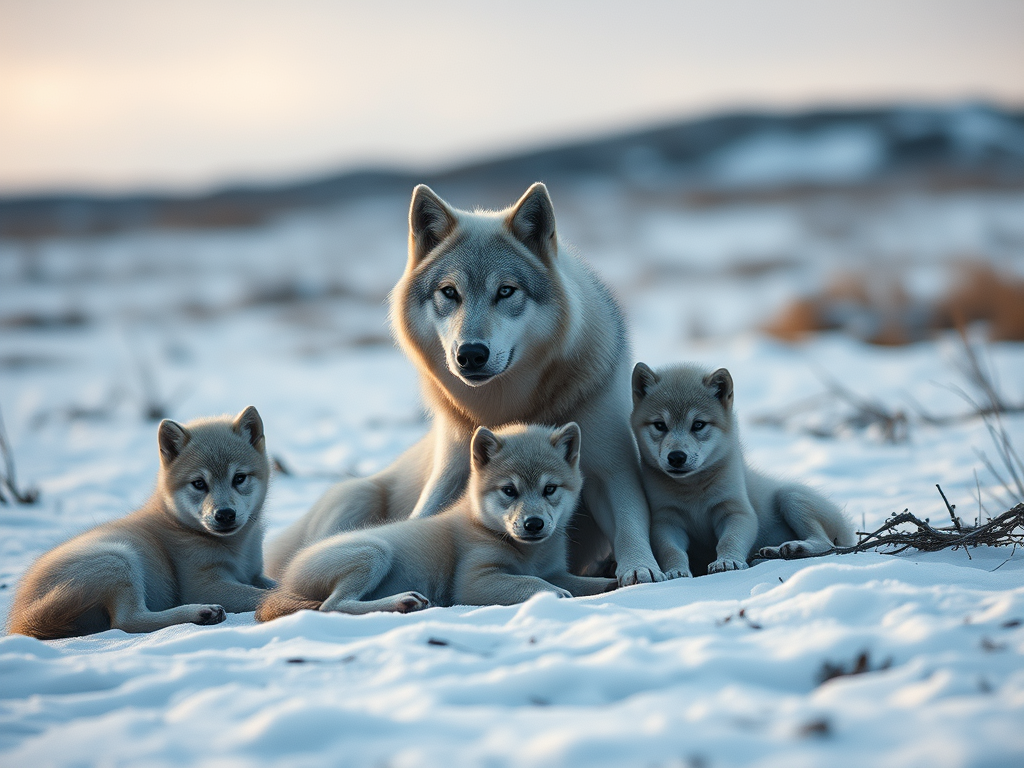
Despite all this, the Tundra Wolf receives no accolades for its efforts—only challenges. Habitat destruction, food shortages, and climate chaos continue to pile up, threatening their very existence. Yet somehow, these wolves endure, embodying resilience in its purest form. Their ability to adapt and survive against the odds is nothing short of inspiring. They remind us that even in the face of adversity, perseverance can lead to triumph—or at least survival. Not that I’m suggesting any of us go live in the tundra and try hunting musk oxen to develop a similar level of fortitude, but it’s certainly food for thought.
Of course, none of this means we should just sit back and admire their tenacity without acting. Conservation efforts are essential to securing the future of the Tundra Wolf. Protecting their habitats, keeping things balanced and mitigating human interference are all steps we can take to ensure they don’t disappear into the annals of history. Because let’s be real: the tundra without Tundra Wolves would be like a symphony missing its violins. Still functional, but heartbreakingly incomplete. Though that may be my bias speaking given my absolute adoration of wolves.
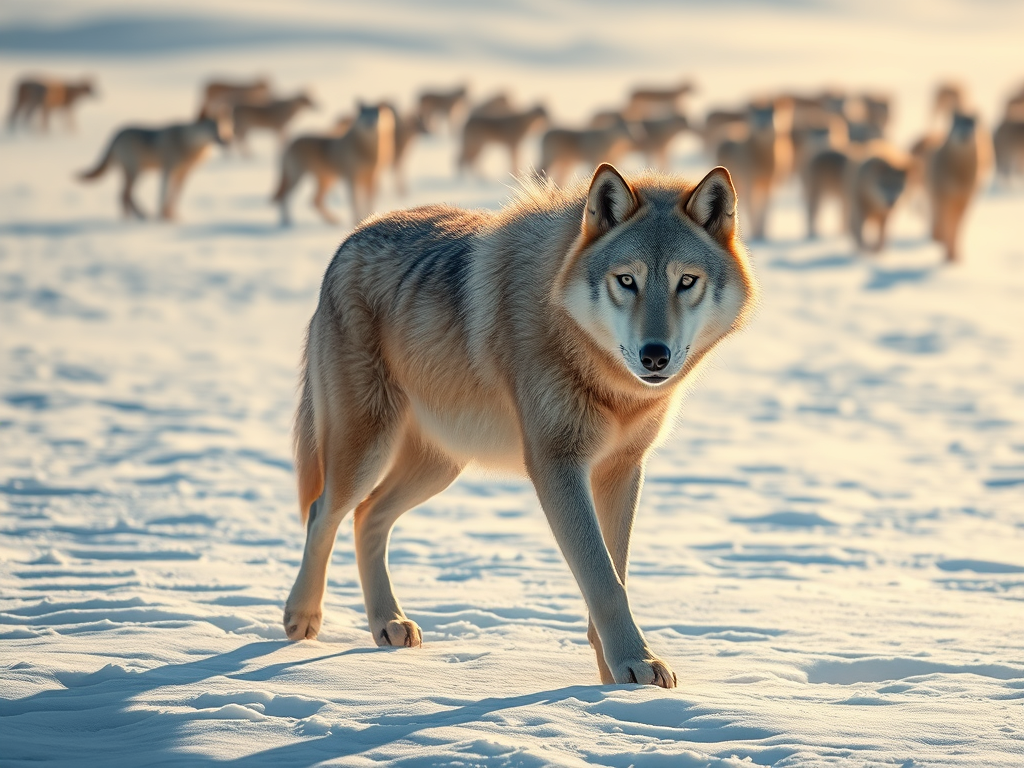
As I sit here, imagining a Tundra Wolf striding gracefully across the snow, its thick fur shimmering under the pale Arctic sun, I can’t help but feel a sense of awe. These animals are more than just creatures of the wild; they’re symbols of strength, resilience, and the delicate balance of nature. They are also good examples for us to follow behavior wise. They’re reminders of what’s at stake and why it’s worth fighting to protect our planet. So, the next time you hear a wolf’s howl echoing through the wilderness, spare a thought for the Tundra Wolf and its incredible journey. And who knows? Maybe you’ll feel inspired to support a conservation fund or learn more about these magnificent creatures. After all, the wolves might not say thank you—dignity and all—but I like to think they’d howl a little louder in approval. Plus, eventually we would be affected given the domino effect and we might find our food sources on the scarce side and that is a scary thought. What is your favorite detail about these majestic canines? Tell me about it below, I would love to know.
 Who am I?
I would love to hear from you!