
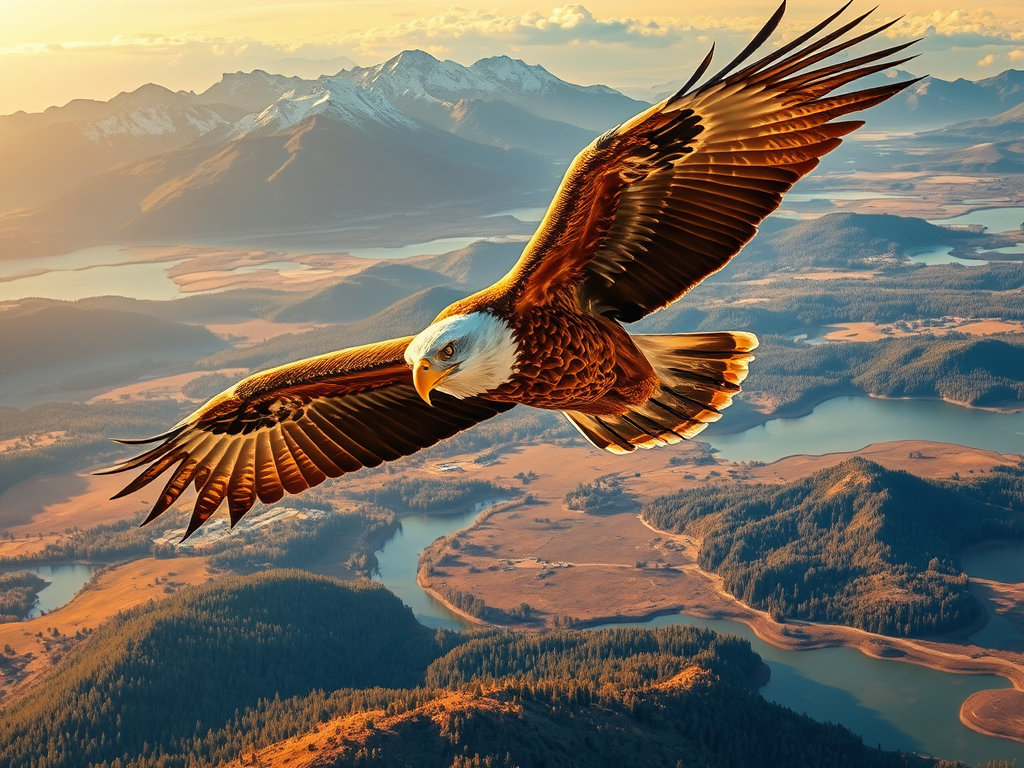
Today, I found myself contemplating the eagle, a creature that is remarkably close to my heart as they are so interesting and have so many fascinating subspecies, plus how many things have the eagle on/in it is just as impressive. These regal birds carry an aura of power and grace that makes them impossible to overlook. They’re not just a bird; they’re a force of nature, a symbol etched into the fabrics of myth, history, and the very skies they dominate. Naturally, I couldn’t resist the urge to dive into their world and learn more about what makes these creatures so extraordinary. The more I uncovered, the deeper my admiration grew for this unparalleled avian apex predator which was already pretty deep in the first place.
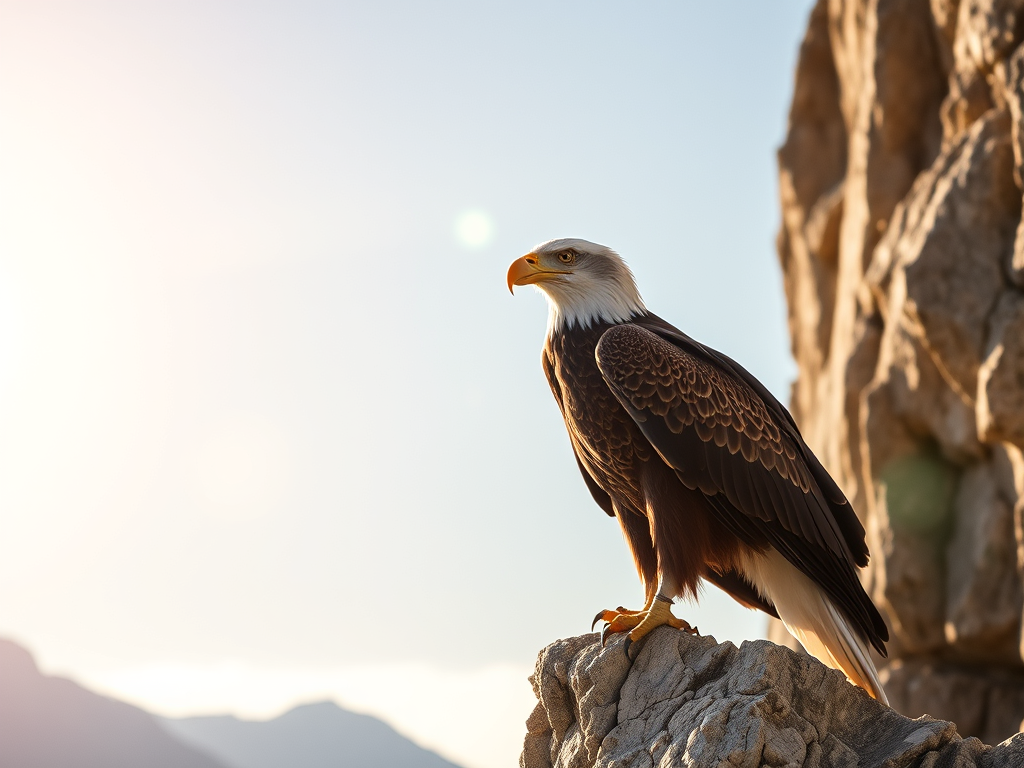
Eagles are incredibly versatile when it comes to their habitats. They can be found almost everywhere on Earth, except Antarctica, which, let’s be honest, is probably because Antarctica has nothing to offer an apex predator such as the eagle in the ways of shelter in high places. Why settle for an icy wasteland when the rest of the planet is your kingdom? Forests, mountains, deserts, wetlands, anywhere else the eagles adapt brilliantly to them all. Their ability to thrive in such a range of environments is a testament to their resilience and evolutionary excellence. Very few species enjoy this level of versatility, and it’s something we ought to admire more often. While I struggle with adapting to a day without matcha, the eagle is out there ruling its domain in nearly every climate imaginable.
One feature that sets eagles apart, though, is their astonishing vision. Their eyesight isn’t simply good; it’s legendary. An eagle’s vision is reported to be about eight times stronger than that of a human. Eight times! Try to wrap your head around that for a moment. They can spot a rabbit or any other target, for that matter, from several kilometers away. It’s as though they’ve been gifted with a superpower while I must sit here and squint through glasses or contact lenses. If ever there were a creature designed to define the term “sharp-eyed,” it would be the eagle. They don’t just see the world, lets face it they dominate it, perceiving details at distances that boggle the human mind.
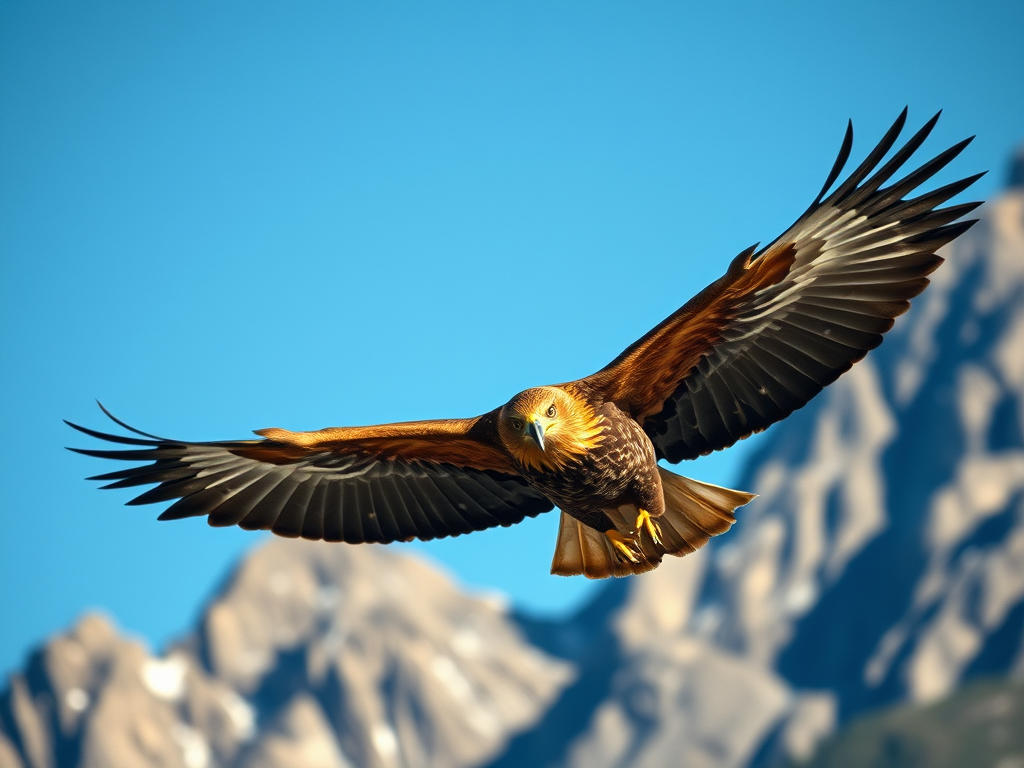
This impeccable vision is essential for their hunting prowess. When an eagle locks onto its target, it’s game over for the prey. Their dive speeds are nothing short of extraordinary, 160 kilometers per hour. Imagine witnessing this feat of nature, a bird streaking through the sky like a precision-guided missile, talons outstretched, descending with unrelenting focus. It’s impossible not to be awestruck by such raw power and efficiency. If I were a fish or a small mammal, I’d start reconsidering all my life choices the moment I saw an eagle circling high above. This is the kind of mastery that deserves respect, not only for its sheer effectiveness but for the breathtaking spectacle it creates. Come to think of it, I would start reconsidering my own life choices if an eagle dive bombed me.
Let’s talk about those talons. They’re not just tools; they’re weapons forged by nature itself. Curved, razor-sharp, and capable of exerting crushing force, an eagle’s talons are nothing short of masterpieces. Once they’ve caught their prey, there’s no escaping. The talons close with a precision and grip that ensures the eagle’s meal doesn’t get away. They carry what they catch effortlessly, soaring through the air with their prize held firmly. Sometimes, they even bring the food back to the nest, sharing it with their mate or chicks. There’s something deeply endearing about this act, it’s a blend of practicality and care that speaks volumes about the eagle’s instinctual nature as both a provider and protector.

Eagles take incredible care when it comes to their nests. These structures are marvels of engineering, often weighing hundreds of kilograms. Hundreds! These aren’t mere nests; they’re fortresses in the sky, meticulously constructed to weather the elements and keep their occupants safe. Perched high on trees or cliffs, eagles’ nests are purposefully built to stay out of reach of predators, land bound predators are not going to get up to those nests, however other birds of prey can, so one parent always stays with the young. Their location alone is a testament to the eagle’s strategic thinking, ensuring their young are well-protected from potential threats. It’s an incredible display of foresight and dedication that underscores their role as attentive parents. Yet some people say animals aren’t capable of this. Though they also say animals can’t understand us when we speak to them, anyone who has had a pet knows how wrong that assumption is. So, I don’t understand why bird brain is an insult.
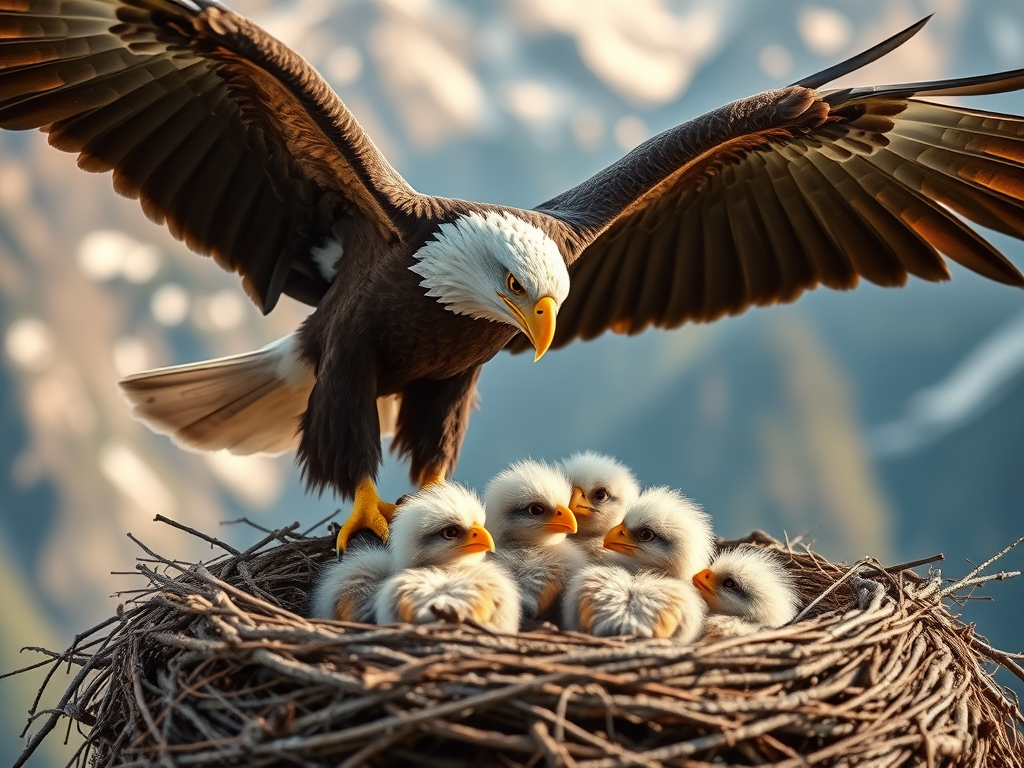
When it comes to their young, eagles are nothing short of devoted. Their eggs take about 35 days to hatch, and once the eaglets emerge, the real work begins. These tiny, fragile creatures are completely dependent on their parents for survival. I find it remarkable how quickly they grow. In just a few months, eaglets transform from awkward, fluffy chicks into powerful flyers ready to take on the skies. Watching this transformation must be one of the most rewarding experiences for eagle parents. They nurture and protect their offspring with unwavering commitment, ensuring they’re equipped to thrive in the wild. It’s a level of care and dedication that rivals even the most attentive among us. We could learn a lot from our feathered friends, just as we could learn a lot from any animal to be truthful if we think about it.
Eagles are also known for their monogamous nature, often mating for life. This enduring bond is a marvel to behold to the depth of their loyalty and partnership. Together, eagle pairs collaborate to raise their young, with one parent always staying at the nest while the other hunts. It’s a harmonious balance of roles that ensures the survival of their family. Their ability to work as a team is nothing short of inspiring. In a world where commitment can sometimes feel fleeting, eagles remind us of the beauty and strength found in steadfast partnerships. They are willing to do the work to stay together as I highly doubt, they always get along.

Their diet is as versatile as their habitats. While fish is often their preferred meal, because who doesn’t enjoy a bit of fresh seafood? Eagles are opportunistic hunters. Birds, reptiles, and small mammals also find themselves on the menu. This adaptability is yet another reason they’re such successful predators. They’re not fussy; they take what the environment offers, making the most of every opportunity. It’s a survival strategy that’s as effective as it is efficient. I would love to be able to hunt like these guys, then meat wouldn’t be so hard to get cause of the damn prices lately.
Eagles live impressive lives, with their lifespan in the wild ranging from 20 to 30 years. In captivity, under human care, they can live up to 50 years. However, it’s important to note that captivity is not where they belong. No enclosure could ever replicate the vast skies and freedom that define their existence. These are creatures born to soar, to command the skies with grace and authority. Placing an eagle in captivity is akin to caging a storm it diminishes their essence and robs them of what makes them extraordinary. They deserve the open skies, the thrill of the hunt, and the boundless horizons that have been their home for millennia. I couldn’t imagine my own mental health if I had to live like this if I were built like these highfliers and kept in a cage. Yuck.
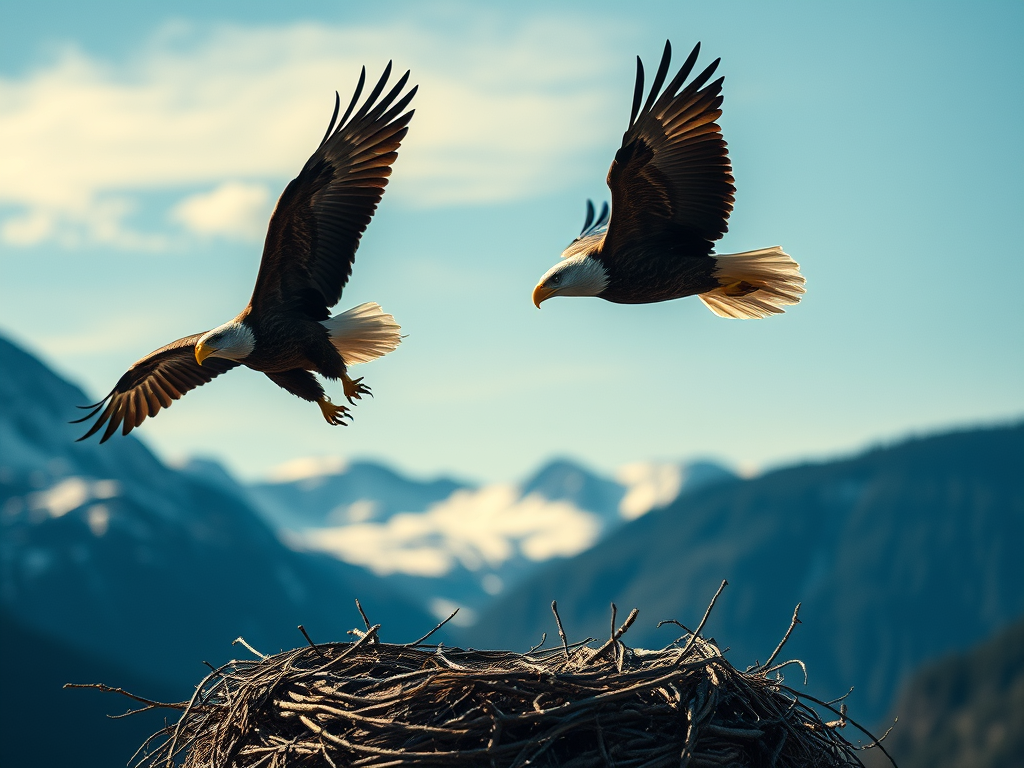
Another detail that makes eagles remarkable is their resilience. These birds have existed for millions of years, adapting and thriving through countless challenges. They embody the spirit of survival, the tenacity to overcome, and the brilliance of evolution at its finest. They remind us of the beauty and power of nature, of the intricate balance that sustains life on this planet. Eagles aren’t just birds; they’re symbols of strength, freedom, and the awe-inspiring wonders of the natural world. I can’t help but wish for the freedom they have when I see them flying in the air or watching me from a perch as I move about.
Eagles are a remarkably diverse group, with sixty-eight species distributed across the globe, thriving in an array of habitats. These majestic birds are generally divided into four groups: snake eagles, renowned for their skill in hunting reptiles; fish eagles, also known as sea eagles, which specialize in aquatic prey; booted eagles, distinguished by their feathered legs; and hawk-eagles, which exhibit varied hunting strategies. There’s also the broad category of buzzard eagles, which encompass species with diverse adaptations.
Among the most notable eagle species is the bald eagle, celebrated as the national bird of the United States and a symbol of freedom. Equally iconic is the golden eagle, a widespread species found across North America, Europe, and Asia, admired for its strength and adaptability. The harpy eagle, native to the rainforests of South America, stands out as one of the most imposing raptors with its sheer size and striking appearance. Then there’s the Philippine eagle, one of the largest and rarest eagles, uniquely endemic to the Philippines and a true marvel of nature. The African fish eagle captivates observers with its loud call and striking plumage, while the Steller’s Sea eagle commands attention as a giant species native to Russia and Japan, revered for its impressive stature and beauty.
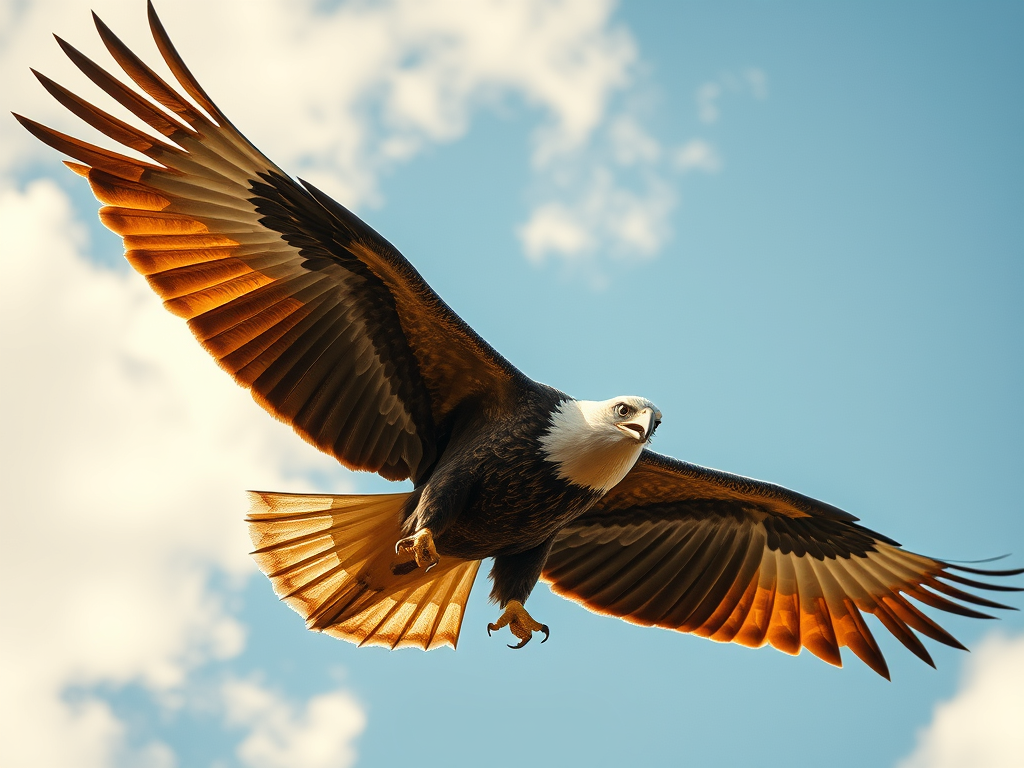
Each of these species, with their unique traits and ecological roles, contributes to the rich tapestry of eagle diversity. Their ability to adapt to such varied environments and lifestyles is yet another testament to nature’s ingenuity and the extraordinary capabilities of these birds.
So yes, eagles deserve every ounce of our respect and admiration. They are masters of the skies, a living testament to nature’s brilliance. Watching them in action is a humbling experience, a reminder that the world is filled with creatures far more magnificent than we could ever imagine. Here’s to the eagle, a creature that continues to inspire, captivate, and remind us of the extraordinary beauty of the world we share. Now to see which species you catch me writing about next with these highfliers. Which would you like to see? Share your answer below.
 Who am I?
I would love to hear from you!