
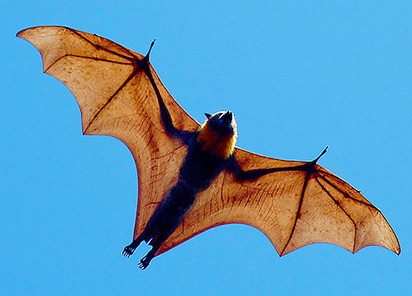
Flying foxes. Yes, you heard that right. Flying. Foxes. I’m not sure which genius looked at these creatures and thought, “Oh yes, this bat right here? Definitely a fox with wings.” But here we are, stuck with a name that throws half the population into confusion (“Wait, are they bats or foxes?!”) and leaves the other half wondering if evolution finally decided to go full sci-fi.
Let me start by saying that flying foxes are not foxes. I mean, they have absolutely zero vulpine qualities unless you squint really hard and imagine that their fluffy fur and soulful eyes kind of resemble a fox. But trust me, they are bats. Big bats. And I do mean *big*. These guys don’t just flit around in your backyard like those little insect-catching bats you see at dusk, they command the skies like tiny, slightly ominous, furry airplanes. Their wingspan can reach up to 1.5 meters. That’s half of me, and I’m already regretting every mosquito I’ve ever swatted because these bats could probably form an airborne league of justice against human insect oppression.
But the chaos doesn’t stop at their size. Oh no, flying foxes are fruit bats. That means they’re basically nature’s sugar-loving, nectar-guzzling hooligans. Imagine them swooping in slow motion towards a mango tree, their majestic wings spread wide, only for them to land and start chomping away like they haven’t seen food in a week. And let’s talk about their eating habits for a moment: they love fruit, but they don’t eat it in the polite, “I’ll take a bite and then move on” kind of way. No, they’re messy eaters, juicing the fruit in their mouths and spitting out the pulp like drama queens. If you thought toddlers were bad with bananas, wait until you see a flying fox at work.
Now, I know what you’re thinking, “Are flying foxes dangerous?” Well, not really. Unless you’re a papaya. Flying foxes are not out to attack humans or anything. They’re much too busy living their best lives in treetops or hanging upside down like tiny goth ornaments. But,and here’s where it gets mildly terrifying, they are known carriers of diseases like Hendra virus. So, if you ever have the urge to cuddle a flying fox like it’s some adorable plush toy, maybe reconsider. Admire them from a distance, preferably while holding a bottle of hand sanitizer and whispering prayers to the fruit gods.
I came across flying foxes because their name popped up somewhere on social media, and let’s be honest, who wouldn’t click on something called a flying fox? It’s the kind of term that sounds like it belongs in an action movie or a Marvel comic, not in a biology textbook. But the more I read about these creatures, the more I realized they’re the unsung heroes of the ecosystem. You see, flying foxes are pollinators and seed dispersers. That means they’re out there every night doing secret agent work for plants, ensuring biodiversity and keeping forests alive. Imagine them swooping from tree to tree, their fur dusted with pollen, like the world’s most unexpected gardeners. If bees ever retire, flying foxes might just take over. I, for one, welcome our fruity bat overlords.
But here’s the kicker: flying foxes are in trouble. Habitat destruction, hunting, and climate change are all messing with their batty way of life. Entire populations are declining, and some species are now critically endangered. It’s tragic because these bats play such a crucial role in maintaining ecosystems. Without them, some forests could literally fall apart. So while they’re occasionally blamed for raiding orchards or being loud neighbors (spoiler: they’re *very* chatty at night), they’re also tiny environmental warriors that deserve our respect.
Speaking of noise, let’s talk about the soundscape of flying foxes for a moment. These bats don’t just fly around silently like some nocturnal ninjas, they *communicate*. Their colonies are filled with squawking, chattering, and the occasional argument over prime roosting spots. Picture a tree full of flying foxes, all upside down, yelling at each other about who gets the mango branch. It’s chaos, but it’s also oddly endearing because they’re essentially saying, “This is my tree, Gerald! Go find your own papaya!” If you ever get the chance to visit a colony, bring your noise-cancelling headphones but also prepare to laugh at their batty drama.
I suppose what really draws me to flying foxes is just how absurdly fascinating they are. They’re bats that look like dogs, eat like toddlers, and contribute to ecosystems like superheroes. And if that isn’t enough to make you love them, consider this: they sleep upside down. The audacity! Can you imagine just casually napping in a position that defies both logic and gravity? Flying foxes are living proof that nature has a sense of humor.
So, here’s my plan: I’m going to write about animals every now and then, depending on what catches my eye on social media or what ridiculous name throws me for a loop or my all time favorite once I find one, I like a random generator. Today it’s flying foxes; tomorrow, who knows? Tree kangaroos? Blobfish? The world of fauna is endless and weird, and I’m here for it. If you have suggestions, throw them my way, I’m not picky as long as the creatures are interesting, chaotic, or sound like they belong in a fantasy novel. Who knows they may show up in one of my books for all you know.
For now, though, I’ll leave you with this mental image: a flying fox gliding through the night sky, its wings stretched wide, its fur a halo of fluff illuminated by the moonlight. It lands softly on a guava tree, takes a bite, spits out the pulp, and promptly starts arguing with the bat next to it. Is it a fox? Is it a bat? It’s neither and both, and that’s what makes it spectacular. Flying foxes, ladies and gentlemen. The creatures we didn’t know we needed.
 Who am I?
I would love to hear from you!