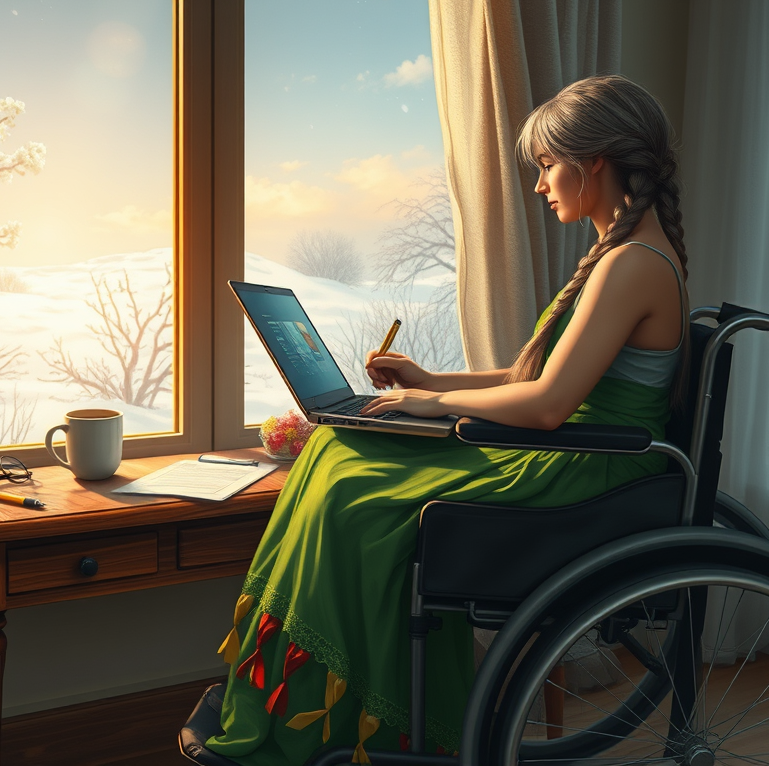

Oh, social media, you fickle, addictive, dopamine-dispensing little monster. Ever since I embraced the digital age with the enthusiasm of a caffeine-charged squirrel, I’ve been both amazed and… well, chemically imbalanced. It’s a fascinating topic, truly—the way these platforms have turned our brains into overstimulated pinball machines, constantly chasing the next tiny hit of serotonin like it’s the last slice of pizza at a party. And trust me, I’ve done my digging. Oh, how I’ve dug. But the deeper I go, the more I realize I’m just scratching the surface of this beautifully chaotic mess we’ve woven for ourselves. So, buckle up. This is going to be a ride. Thank you to the lovely lady who suggested this topic. I love it.
Let’s start with the basics. You see, every time I post a picture, share a funny meme, or even write a comment that gets a like, there’s this little jolt. You know the one—it’s that fleeting moment of validation that screams, “Yes! Somebody out there thinks I’m funny, interesting, or at least marginally worth their double-tap.” That’s dopamine. The brain’s internal reward system throws me a microscopic party every time I get that hit. It doesn’t matter if it’s one like or twenty—it’s like a slot machine payout, tiny coins of approval clinking into my mental piggy bank.
But here’s the kicker: our brains weren’t designed for this. Back in the good ol’ hunter-gatherer days, we probably got our dopamine from actual rewards—finding food, building shelters, or surviving the occasional sabertoothed tiger encounter. Now, our brains are getting their kicks from a picture of avocado toast getting thirty-seven likes. Same chemical, wildly different context. And here’s where the chaos begins.
The problem is that these hits are small. Micro doses. And because they’re small, we want more. Like, now. I mean, who hasn’t posted something, stared at their phone for two minutes, and then refreshed the page, hoping for a miraculous flood of likes while simultaneously cursing the algorithm for giving us absolutely nothing? It’s like Pavlov’s dogs, except instead of salivating for food, we’re salivating for digital approval. And when we don’t get it? Oh, the drama. The despair. The existential crisis. Am I boring? Have I peaked? Did everyone collectively decide to ignore me today? That’s when serotonin—or lack thereof—waltzes onto the stage. Maybe this is why I love chaos in my website so much. Hmm something to think on that is for sure.
Serotonin, the lovely neurotransmitter of mood and happiness, is also getting a run for its money. Every time our social media interactions don’t meet our inflated expectations, serotonin takes a nosedive. It’s like expecting a fireworks display but getting a single, sad sparkler. The imbalance grows, and suddenly, we’re doom-scrolling through endless feeds of impossibly photogenic people living impossibly perfect lives, comparing their highlight reels to our blooper reels. It’s a recipe for unhappiness, self-doubt, and—let’s be real—another hour mindlessly scrolling while lying horizontally on the couch.
Here’s the chaotic part that really tickles me in a darkly humorous way: we know it’s bad for us. We know social media is basically a psychological casino, with the odds forever in the house’s favour. And yet, we stay. We refresh. We post. Why? Because that occasional jackpot—the viral post, the flood of comments, the fleeting but glorious sense of being seen—is just too tempting. It’s a high we’re all chasing, even if we know we’re paying for it later with our mental stability.
And then there’s the algorithm, that mysterious, ever-changing overlord of our online lives. It’s like trying to please a pet that doesn’t want to be pet. One day it loves your cat videos; the next, it’s pushing you deep into the rabbit hole of conspiracy theories about lizard people. The algorithm doesn’t just know what we like—it knows how to keep us hooked. It serves us content that triggers those dopamine rushes, keeps us scrolling, and ensures that even when we’re exhausted, we can’t bring ourselves to close the app. Honestly, if algorithms were people, they’d be the friend who convinces you to stay out for “just one more drink” when you already know it’s a terrible idea.
But let’s not forget the ultimate irony: I’m here, critiquing social media while fully acknowledging that I, too, am a willing participant in this circus. I’ve curated my feed to be a mix of memes, dog videos, lots of mental health, and occasional existential musings. I’ve refreshed my notifications with the eagerness of a kid opening birthday presents (especially this website). I’ve felt the crushing weight of a post flopping, even though it really, truly doesn’t matter in the grand scheme of things. It’s chaotic and absurd, and yet, here I am.
Now, don’t get me wrong. It’s not all doom and gloom. Social media has its moments of brilliance—connecting people across the globe, sharing art and ideas, and occasionally spawning memes so good they deserve to be preserved in a museum. But the cost? Oh, the cost. The tiny, relentless drip of dopamine that turns our brains into overstimulated messes, and I should know, my brain likes to contradict itself it is called AuDHD. The serotonin crashes that leave us questioning our worth. The chemical imbalances that make us wonder if maybe—just maybe—our ancestors had it easier, despite the whole sabertoothed tiger thing.
So, where does that leave us? Honestly, I have no idea. There’s still so much to learn, so much to untangle in this web we’ve spun. Maybe the answer is moderation. Maybe it’s learning to step away from the feed, to seek validation from within rather than from a glowing screen. Or maybe—just maybe—it’s accepting the chaos, laughing at the absurdity of it all, and reminding ourselves that at the end of the day, we’re all just a bunch of dopamine junkies trying to make sense of a very strange digital world.
 Who am I?
I would love to hear from you!