
Navigating Self-Care: When Your Characters Rule the Clock
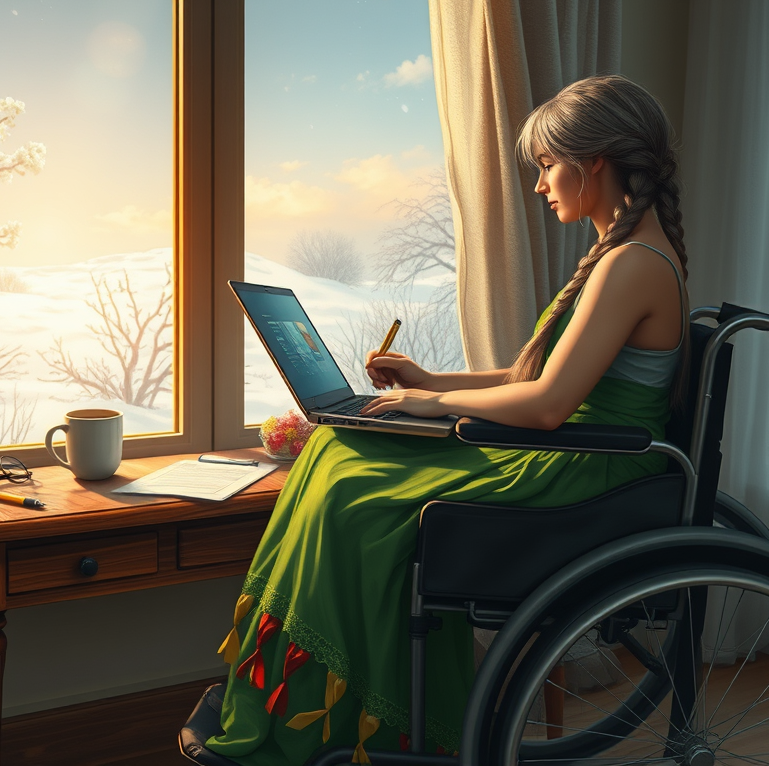
Being an author is always an adventure—but when you add in high medical needs, the adventure becomes even more unpredictable. My life often feels like a balancing act with a twist: juggling my health’s “alphabet soup,” as I call it, alongside the relentless schedules set by my characters. Some of my conditions work with me, others don’t, and some switch sides when they feel like it. It’s a dynamic battle, made more complicated by the tug-of-war between self-care and storytelling.
When we don’t prioritize our own care, who’s left to tell the characters’ stories? Can we even tell them properly if we’re running on empty? These are questions I wrestle with constantly. On a good day, it’s a challenge to strike that balance. On the not-so-good days, when I’m feeling under the weather and my characters won’t stop talking, it’s an outright struggle.
For me, this is where self-care becomes more than just a buzzword. It’s the foundation that enables me to give life to my characters, to share their stories with honesty and heart. But finding that balance is a journey in itself—one filled with challenges, lessons, and moments of triumph.
Navigating the Alphabet Soup: A Medical Journey
Living with what I affectionately call my “alphabet soup”—a complex mix of medical conditions—adds a unique rhythm to the dance between creativity and self-care. Each condition has its quirks:
- Some step gracefully alongside me, fueling my storytelling.
- Others stomp in protest, creating hurdles that can feel impossible to overcome.
- Then there are those that change their loyalties daily—a true drama troupe.
Understanding these layers isn’t just a necessity—it’s a deeply personal journey influenced by my extensive medical background. While my experiences rarely appear in my creative writing, they shape how and what I create.
The Challenges of Medications
Medications are a big part of this journey. Timing is critical: some meds wake me up (hello, ADHD meds), while others sedate me. These wakefulness-inducing meds are best taken early, but timing them means sacrificing sleep or disrupting daily tasks.
My pharmacist has been my partner in navigating this system. Together, we’ve created a numbered med schedule to avoid interactions. As he put it, “I have one patient to care for. You have many. I am part of my team.” It’s comforting, but figuring out “when” now falls entirely on me. No pressure, right?
Being Proactive in Your Care
This brings me to something essential: you are your own last line of defense. Knowing your medications—their colors, shapes, and timing—could save your life or prevent taking the wrong one. Familiarize yourself with your meds and ask questions if something feels off. Empowering yourself isn’t just proactive; it’s vital.
Of course, we’re all human. Doctors and pharmacists are no exception, so errors happen. This is why I believe in not being a compliant patient—a topic I’ve explored in a past post. Taking an active role in your care makes you part of the team and helps prevent those dreaded “what-have-I-done” moments.
The Doctor Dilemma
My current doctor, while temporary, has already presented challenges. In one 15-second glance at my two-page medical history, he concluded I must be on “too many meds.” Quick judgments like these reflect why advocating for myself is so important.
Anticipating friction here feels inevitable. Let’s be real: medical professionals tend not to make the best patients. When a patient can spot errors and points them out, egos can bruise fast. Some doctors handle this with grace; others, not so much. It’s like emotional Jenga—pull out the wrong block, and everything crumbles. For me, as long as mutual respect is maintained, I can work with a doctor, even when pride gets in the way.
Creativity, Night Owls, and the Dance of Balance
Since my teens, I’ve been a night owl. Insomnia has been a constant companion, but over time I’ve embraced the quiet of the night. Writing during these hours allows my imagination to flourish. Writer’s block loses its grip, and my characters’ voices grow louder.
However, being a night owl comes with challenges. Balancing medication schedules and health needs makes it feel like solving a never-ending puzzle.
The Night Owl’s Gift in Cree Teachings
In Cree teachings, being a night owl is seen as a gift. Night owls held important roles, standing watch while others rested or participating in night ceremonies. These ceremonies were deeply spiritual but often dangerous—requiring calm, focused individuals to safely carry them out.
Lessons from the Windigo
Cree spirituality also reminds us to be cautious at night. The Windigo, a spirit of insatiable hunger and imbalance, is one such cautionary figure. Not “bad” in the conventional sense, but certainly not one you’d want hearing your prayers. The Windigo embodies the dangers of losing balance—a vital reminder in moments when instincts urge caution.
For me, being a night owl ties deeply into my identity. Nighttime is a liminal space where creativity thrives and boundaries blur. These quiet hours are also a time for reflection and connection—whether to my ancestry or to the rhythms of life that ground me.
The Importance of Self-Care
Here’s the hard truth: self-care is often the first thing to fall by the wayside when it should be the last. The Windigo offers another important lesson here—the consequences of neglecting balance and allowing imbalance to take root.
If you’ve got tips for prioritizing self-care, please share them in the comments section. I’m always learning, and with my evolving medical soup, trying different approaches is a necessity.
Creativity, health, and self-care often feel like dancers learning a complex routine together. Some days, they move in perfect harmony. On others, they’re stepping on each other’s toes. But in those rare moments when everything aligns—when health, creativity, and communication flow seamlessly—it feels like pure magic.
The Impact on Writing
Every aspect discussed—medical challenges, the balancing act of creativity and health, the night owl’s rhythm, and lessons from Cree teachings—plays a significant role in my writing. When self-care falters, creativity bears the brunt, impacting not just how I write but the authenticity and depth of the stories I share. Writing, after all, is the thread that ties these experiences together, a reflection of the delicate and dynamic dance of my journey.
What Is Self-Care and Why Does It Matter?
Self-care isn’t about luxury spa days or expensive retreats. Sure, those can be nice, but true self-care goes deeper—it’s about actively tending to your mental, physical, and emotional well-being. It’s not indulgent; it’s survival. Think of it as the foundation you need to face life head-on.
At its core, self-care is recognizing your needs and taking steps to meet them. It’s creating balance, building resilience, and honoring the connection between mind and body. Without it, you’re not just running on empty—you’re scraping the bottom of the barrel.
What Does Self-Care Look Like?
Self-care isn’t one-size-fits-all. It’s personal and dynamic, but here are some key building blocks:
Physical Health
Eat well, sleep enough, and move your body—simple, right? For those managing chronic conditions, it means keeping up with medications, treatments, and appointments. Skipping these basics is like ignoring your car’s check engine light—it may not seem urgent, but you’re asking for trouble later.
Mental Health
Whether it’s practicing mindfulness, talking to a friend, or seeking therapy, your mental health matters. Creativity especially thrives when your mind feels safe. Try this: take five minutes to breathe deeply. It’s free, surprisingly effective, and beats a caffeine overdose.
Emotional Health
Set boundaries, celebrate wins (even the tiny ones), and remember it’s okay to say no. Sometimes self-care means walking away from what doesn’t serve you. Fun fact: “no” is a complete sentence.
Creative Fulfillment
For creatives, self-care often means carving out time to write, paint, or create—without pressure. Creativity heals, but be careful not to use it as a Band-Aid for deeper needs.
Community and Connection
Humans are social beings. Whether it’s friends, family, or online groups, connection matters. Isolation can creep up subtly—what starts as rest can easily tip into loneliness.
The Role of Social Interaction in Self-Care
Social interaction isn’t just a nice-to-have; it’s a must-have. Prolonged isolation—even with phone calls and video chats—can wreak havoc on your health.
Isolation vs. Health
Research shows that social isolation can damage health as much as smoking 15 cigarettes a day. Yes, really. It increases risks like:
- Heart disease (29%)
- Stroke (32%)
- Mental health disorders (26%)
- Premature mortality (26%)
And here’s the kicker: isolation raises the likelihood of dementia by 50%. Loneliness doesn’t just hurt emotionally—it creates chronic inflammation, reducing immunity and impacting overall well-being.
Why Face-to-Face Matters
Virtual calls help, but they can’t replace the magic of in-person connection. Community fosters trust, belonging, and emotional grounding—things that can get lost without real-world interaction.
The Windigo’s Warning
Cree teachings offer a valuable reminder through the Windigo—a spirit that symbolizes imbalance and unchecked excess. While not “evil” in the usual sense, the Windigo represents the dangers of neglecting basic needs and losing sight of humanity. Isolation mirrors this lesson, showing how imbalance can ripple outward, affecting relationships, health, and even creativity.
What Happens When You Neglect Self-Care?
The ripple effect of poor self-care is no joke. Forgetting to prioritize yourself leads to:
- Strained relationships
- Decreased physical and mental health
- Stagnant creativity
The Windigo’s hunger for imbalance reminds us what happens when basic needs go unmet—it consumes everything in its path. For me, when self-care slips, my writing suffers. Characters grow quieter, creativity slows to a trickle, and my work reflects exhaustion instead of inspiration.
Why Self-Care Isn’t Selfish
Here’s the truth: taking care of yourself is the opposite of selfish. In fact, it’s the only way to sustainably care for others. You can’t pour from an empty cup—it’s simple physics. Without self-care, you’ll run dry, leaving yourself unable to give.
Self-care is about resilience, not perfection. It’s about making sure you’re equipped to face challenges without breaking down. And because it’s personal, there’s no “right way” to do it. What works for you might not work for someone else—and that’s perfectly fine.
Closing Thoughts: The Never-Ending Quest for Balance
As we’ve seen, self-care impacts everything—including writing. I’ll admit, I’m guilty of letting self-care slide to the sidelines. Balancing it all often feels like navigating a calm river that can suddenly turn into roaring rapids—throw in a few waterfalls while you’re at it. With my alphabet soup of conditions, those rapids tend to come with extra twists and turns.
Timers and alarms? Utter failures in my experience. The only thing remotely effective has been smart bulbs that change colors—though they only help with the medications in packs. The ones outside those packs? Still a work in progress. ADHD and ASD, thriving in their chaos, don’t make this any easier. When hyperfocus strikes, I often find myself typing away in bed for hours on end. If it weren’t for my service dog nudging me for bathroom breaks, I’d probably stay glued to my pillows indefinitely.
Music has become my trusty ally in self-care. First Nation music, specifically, acts like a subconscious nudge to take breaks. Sometimes, though, that nudge feels more like a tap on the shoulder when what I really need is a shove—or maybe a full-body tackle. Skipping breaks doesn’t just affect my mobility; it amplifies my pain and slows me down further. While there are certainly other contributing factors, staying rooted in one place for hours definitely isn’t helping the situation.
I’ve been dreaming of working with multiple monitors to improve my productivity and maintain my flow, but saving up to make that happen is its own battle. My typing speed is solid—quick, efficient—but switching tabs breaks my rhythm and sparks anxiety: “Will I forget that detail?” And notebooks? Let’s just say I have a history of misplaced notebooks, non-functional pens, and completely forgotten ideas. My phone might offer some relief now that iOS and Windows are cooperating more, though it’s yet to prove itself as my savior. Fingers crossed.
Writing, while therapeutic, is a double-edged sword. It’s an act of self-care but can easily turn into a stressor. Social connections, for example, aren’t my strong suit. Learning that prolonged isolation is as harmful as smoking 15 cigarettes a day? Let’s just say it wasn’t my favorite comparison. Addressing this is something I know I need to tackle—even if it feels like trying to climb Everest with a toothpick.
Tiny Steps Toward Balance
Finding balance is no simple task—it’s fluid, unpredictable, and occasionally chaotic. Recently, I’ve started keeping jars of peanuts and sunflower seeds nearby as an easy snacking option throughout the day. Sticky notes might soon invade my bathroom mirror, reminding me to grab water and something quick to eat. Because hydration and snacks, apparently, are harder to remember than writing plot twists.
My natural sleep pattern complicates everything, especially medication timing. Slowly adjusting my schedule feels like the best strategy to deal with the “alphabet soup.” Turning off the computer and shifting gears is another goal—a tall order for someone who could probably write their way through an apocalypse.
Self-Care: The Eternal Struggle
Self-care isn’t a one-size-fits-all solution. For some, it’s a luxurious shower or soaking their feet while flipping through a favorite book. Personally, I understand its importance but struggle with weaving it into a routine—largely because I don’t have much of a routine to speak of.
I’m working on it, though. What does self-care look like for you? How do you create balance in your life? Whether it’s a small shift or a transformative habit, I’d love to hear your ideas. Share your self-care practices in the comments or reach out directly—I’m open to exploring new methods and seeing what might stick.
Let’s keep the conversation alive, because self-care isn’t just about helping ourselves—it’s about ensuring we can show up better for everything and everyone that matters.
 Who am I?
I would love to hear from you!