
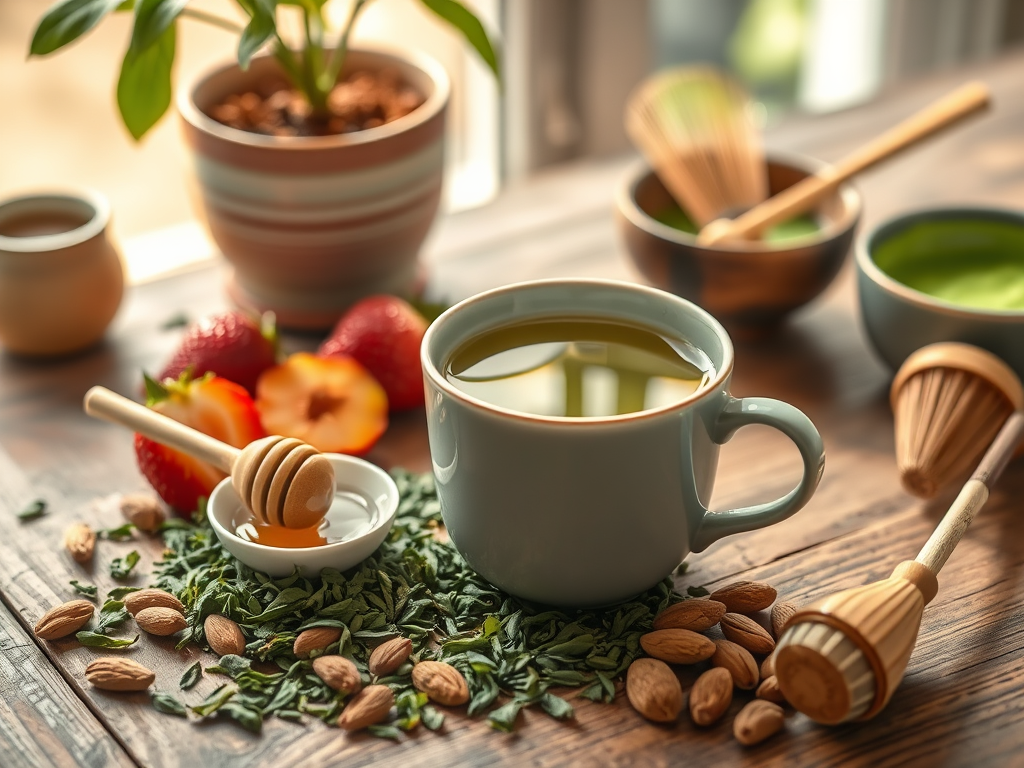
Welcome back to the delightful chaos of my mind! Today’s topic of the day? Green tea. So grab a cup, sit back, relax, and let’s steep ourselves in all the wonders this humble little beverage has to offer.
Ever feel like coffee’s jolting energy boost leaves your brain more frazzled than focused? Or wonder if there’s a more calming way to caffeinate your day? Enter green tea—your ultimate sidekick for mental health and mindfulness.
Let’s talk about green tea. This humble, light-colored beverage is more than just a comforting drink on a chilly morning. It’s a centuries-old secret to well-being—and it may just be the unsung hero for mental health in our modern world.
Picture this: a serene moment with a warm cup in hand, steam rising, the gentle aroma of earthy leaves calming your senses. Green tea has been cherished for its relaxing qualities for hundreds of years, especially in cultures like Japan and China where tea ceremonies celebrate mindfulness. But this isn’t just poetic musings—it turns out, science is on green tea’s side too.
Why does green tea seem to work its magic on our minds? The secret lies in its natural compounds, starting with L-theanine. This amino acid is like a gift to your brain, promoting a sense of calm without making you feel sleepy. Studies suggest that L-theanine can help reduce stress and anxiety, making it easier to stay composed in our fast-paced lives. Pair it with a moderate dose of caffeine—yes, green tea has caffeine, but it’s far gentler than what you’d find in coffee—and you get the perfect mix for improved focus and alertness. It’s like a mental hug and a gentle push forward, all in one sip.
And let’s not forget its antioxidants, especially a superhero called EGCG (epigallocatechin gallate, if you’re feeling fancy). Not only does EGCG support brain health by combating oxidative stress, but there’s also research suggesting it might even play a role in reducing symptoms of depression. Who knew a tea leaf could pack such a punch?
But beyond the chemical components, green tea embodies something deeper—ritual. In a world where we’re constantly rushing from one task to the next, the act of brewing and sipping tea offers a moment to pause, breathe, and reconnect with ourselves. This simple ritual can be a small but powerful way to anchor our minds and find clarity amidst the chaos.
If you’re looking to keep things interesting for your taste buds, green tea is incredibly versatile. You can infuse it with cucumber for a refreshing twist, vanilla for a hint of sweetness, or blueberries for a fruity burst. You might even toss in sliced fresh fruit or sprinkle in some nuts for a unique spin on your cup.
Green tea also comes in a variety of types, each with its own unique profile. Pinhead green tea, for example, is known for its tightly rolled leaves and robust flavor. Loose-leaf green tea offers superior taste and aroma compared to tea bags, thanks to its larger leaves that retain natural oils and nutrients better.
And then there’s matcha, green tea’s vibrant and concentrated cousin. Matcha is made by grinding specially grown green tea leaves into a fine powder, and when you drink it, you’re consuming the entire leaf. This means matcha delivers a more potent dose of caffeine and antioxidants compared to regular green tea. Matcha can also be made with milk, creating a creamy and indulgent matcha latte that’s perfect for those moments when you crave a little extra comfort.
Green tea isn’t just a mental health booster—it’s a physical powerhouse too. Its antioxidants help combat inflammation, support heart health, and even promote glowing skin. Regular consumption has been linked to improved metabolism, making it a favorite among those looking to maintain a healthy weight.
When it comes to caffeine, green tea provides a gentle lift without the jitters. A typical cup of green tea contains about 25-30 mg of caffeine, while matcha ranges from 60-70 mg per serving. In comparison, ground coffee averages around 95 mg per cup, and fresh ground coffee can pack a punch with up to 200 mg per cup. This makes green tea a great option for those who want a more balanced and sustained energy boost.
Interestingly, green tea may also offer benefits for individuals with ADHD. Its combination of caffeine and L-theanine can help improve focus and reduce impulsivity, similar to how coffee works for some people with ADHD. However, green tea’s gentler caffeine content and calming properties make it a potentially better option for those who are sensitive to coffee’s intensity.
Now, let me take you through how green tea fits into my day. It all starts with a cup of small-batch roasted flavored coffee in the morning—a little indulgence that gives me that initial jolt of energy to start the day. Then comes my favorite ritual: making myself a cup of matcha tea. I always keep a stir stick close because matcha settles fast, and a quick swirl helps maintain its vibrant consistency.
Throughout the day, I turn to my wide range of green tea options—always loose-leaf, of course. I find that brewing loose-leaf tea allows the leaves to unfurl completely, releasing all their subtle flavors and nutrients. I sweeten my tea with honey, as it beautifully complements the earthy tones while enhancing the overall flavor profile. Sometimes, I’ll mix things up with fresh fruit slices—strawberries or peaches work wonders—or even add nuts for a surprising touch of richness.
Green tea also plays a big role in managing my ADHD and ASD. I find that coffee helps when I need an extra push for focus and clarity, but when it’s just ADHD causing trouble, green tea provides the perfect balance of energy and calm. Matcha, which I usually enjoy earlier in the day, helps settle the GI issues I experience from stress, societal expectations, and medications. And let’s be honest—there’s nothing worse than being up at 3 a.m. because of late-night tea or tummy troubles, so matcha mornings are a must for me!
Ready to make green tea a part of your daily routine? Grab a cup, experiment with flavors, and see how it can transform your day—one sip at a time. Have thoughts, experiences, or tips to share? Drop a comment below—I’d love to hear how green tea fits into your life. Let’s keep the conversation brewing! Cheers to better mental health and a happier, healthier you!
2 responses to “Green Tea: Nature’s Mental Health Aid”
-
-
Oh I could talk about tea none stop. It’s a great way to stay hydrated as well. I have found that different teas need milk vs no milk sugar vs honey and temperature is a big one not just if your finicky like me and if I can get it in leaf form I do. It is so very underrated and not understood fully. I can promise there will be other posts on tea lol I just happened to be drinking green tea when I made this one.
-


 Who am I?
Leave a reply to Siearra Frost Cancel reply