
Good evening, everyone!
I find myself having trouble sleeping, and then it hit me—I recently posted about green tea, which got me thinking about the shelves of tea ingredients I have sitting in my kitchen. Why not mix things up with the goal of better sleep? While I hope you aren’t dealing with sleepless nights, I figured I’d share a few ideas I’m about to try. I’ve been using these ingredients for ages, but somehow I never thought to focus on the ones with nighttime benefits. Maybe this little experiment will mean less insomnia for me as I play around in my lab—uh, kitchen, I mean.
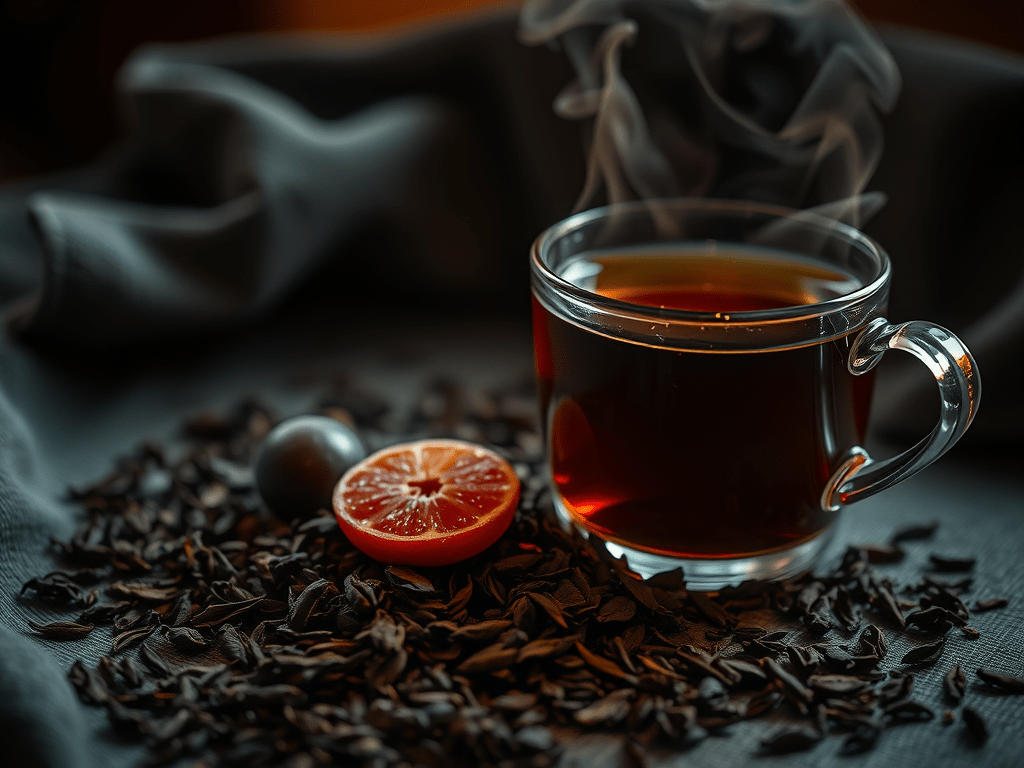
Tea has always been my go-to for a little dose of calm, but lately, I’ve realized it’s more than just a drink—it’s an act of self-care, especially when you’re hunting down a good night’s sleep. Loose tea, in particular, is my favorite because of the endless ways to mix and match ingredients. You can make a cup that feels tailor-made for your needs—and tonight, my need is all about relaxation.
There’s something so soothing about preparing loose tea. Scooping the leaves, watching them bloom in hot water—it’s like the tea is saying, “Chill out, I got this.” And yes, I’ll admit I don’t always measure. Sometimes I go full “tea whisperer” and eyeball the amount. It’s part of the fun! Plus, it’s hard to go wrong with the right ingredients, especially when they’re designed to help you relax. (Except for that one time I paired chamomile with cayenne—yeah, we don’t talk about that.)
After a deep dive into research, I decided to give these sleep-focused mixes a try. But as I’m just starting to explore the nighttime effects of these tea ingredients, I also want to highlight other ways they can be used beyond their calming properties. Chamomile is a classic for promoting sleep, easing anxiety, and soothing digestion, but it’s also excellent for calming skin irritations—try it in a facial steam or compress. Lavender brings a sense of calm with its floral aroma and is great for headaches, but I’ve found it makes a refreshing iced tea on hot days too.
Peppermint is a little more refreshing than calming, but it’s still helpful for winding down. It clears the mind, eases tension, and supports digestion, so it’s perfect after dinner or before bed. Lemon balm gently improves sleep, reduces stress, and adds a citrusy brightness to blends—but it’s also great for uplifting your mood and boosting focus when you need to get things done. Valerian root is my go-to for deep, restorative sleep when nothing else works, but it’s also amazing for easing muscle aches or menstrual cramps. Passionflower creates the perfect calming conditions for sleep by reducing anxiety and quieting the mind, but it can also be used during the day for a stress-free pick-me-up.
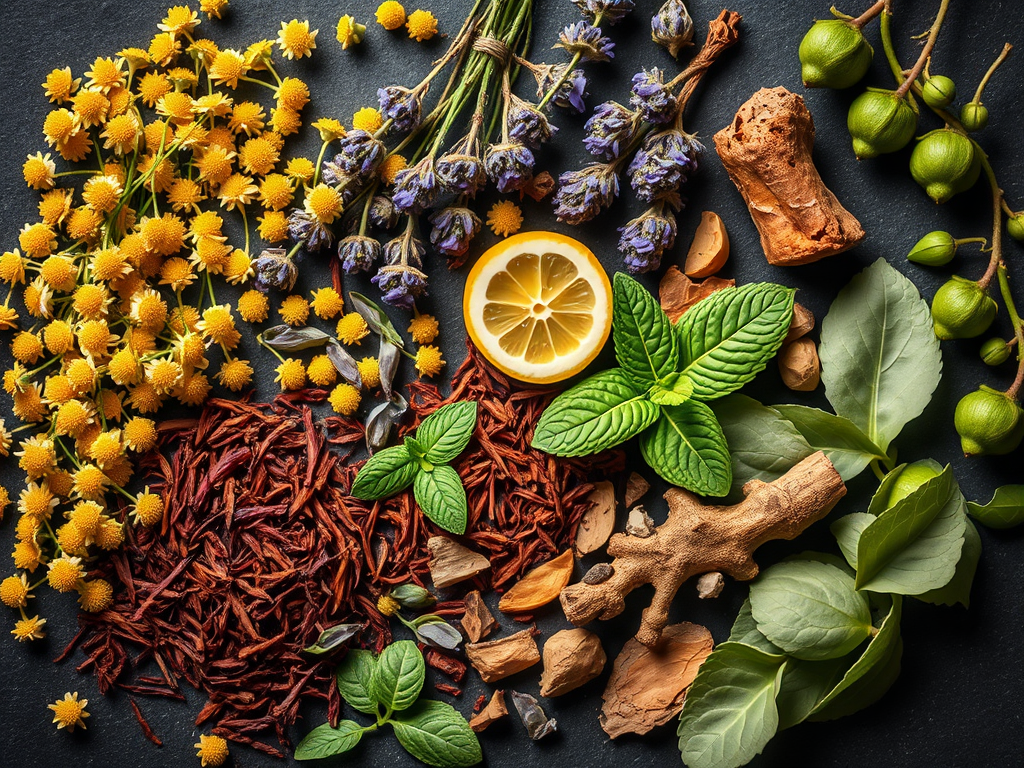
Rooibos feels like an herbal bedtime treat—sweet, comforting, and caffeine-free. It pairs beautifully with calming ingredients like lavender or valerian root. What’s fascinating about rooibos is how it shifts depending on its blend; during the day, its antioxidants work to refresh and promote overall well-being without the jittery effects of caffeine.

Loose tea is endlessly customizable, and it’s fun to experiment with extras. Crushed almonds or hazelnuts add nutty richness to your tea, and steeped nuts make a tasty treat on their own! Spices like cinnamon, ginger, or cardamom add warmth and flavor, each with its own calming benefits. Cinnamon supports digestion and smells like cozy autumn vibes, while ginger eases nausea and improves circulation with its zesty touch. Cardamom, with its aromatic flavor, is perfect for staying calm and grounded. Frozen fruit, like blueberries or raspberries, is a game-changer—bringing natural sweetness and turning your tea into a visual delight.
As I’m just starting to explore the use of these ingredients for sleep, I might give these ideas a try tonight: a blend of chamomile, valerian root, and lavender feels like the perfect way to unwind. If I’m feeling adventurous, rooibos with frozen strawberries and a hint of cinnamon could be an interesting experiment. And honestly, the idea of lemon balm paired with passionflower and a sprinkle of hazelnuts sounds like sipping relaxation straight out of a garden—I may have to test that one too.
Tea doesn’t just stop at the brew. Inspired by the Cree teaching to use the plant in all ways possible, I make sure every ingredient has given everything it can before returning it to Mother Earth. Chamomile blossoms steeped again make a soothing bath or eye compress. Lavender leaves dried for sachets or linen sprays keep my space smelling calm and fresh. Peppermint shines in foot soaks or scalp rinses, while lemon balm adds a gentle touch to DIY facial toners. Valerian root is perfect for sleep sachets, and passionflower combined with bath salts creates an extra-relaxing soak. Rooibos adds antioxidant power to scrubs or masks, brightening skin with its natural goodness.
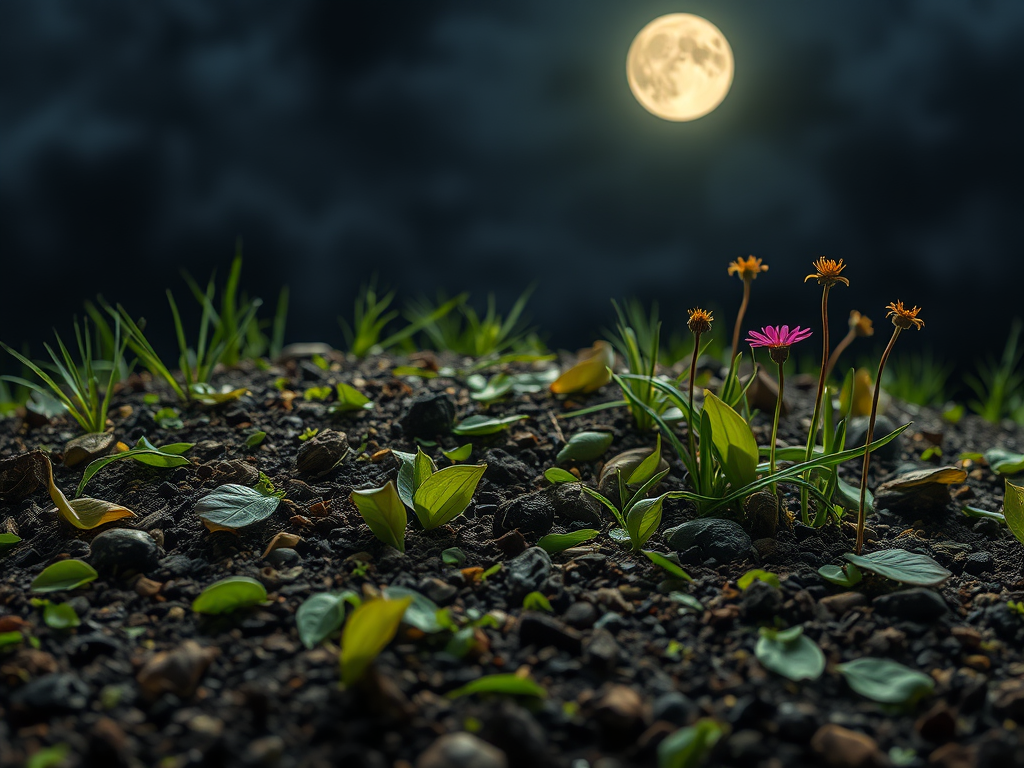
Once the plants have served their purpose, I collect them in a bucket under my sink. The practical side of me says to take the bucket to the woods and return the plants to Mother Earth, but honestly? I sometimes wonder if I could get away with emptying it by the leasing office windows. There are plants and grass there already—maybe I’m just helping with the landscaping, right?

At the end of the day (or night), tea isn’t just a drink—it’s a way to unwind, breathe, and care for myself. Loose tea makes this ritual feel intentional and restorative. Plus, I never know what blend might surprise me next—maybe tonight’s experiment will finally help me crack the code for the perfect sleep tea (or it’ll be another “cayenne incident”). What about you? Do you have a favorite tea blend for winding down, or are there ingredients you think I should try next? Let’s swap ideas—I might just need inspiration for my next “lab session” in the kitchen!
Note: all images are AI generated. Thought I would change things a bit.
 Who am I?
I would love to hear from you!