
Hey! Did you know that an octopus has three hearts? Random, right? Just felt like sharing that little gem with you before we dive into today’s post. Welcome back (or hello for the first time), and let’s get into something fascinating together!
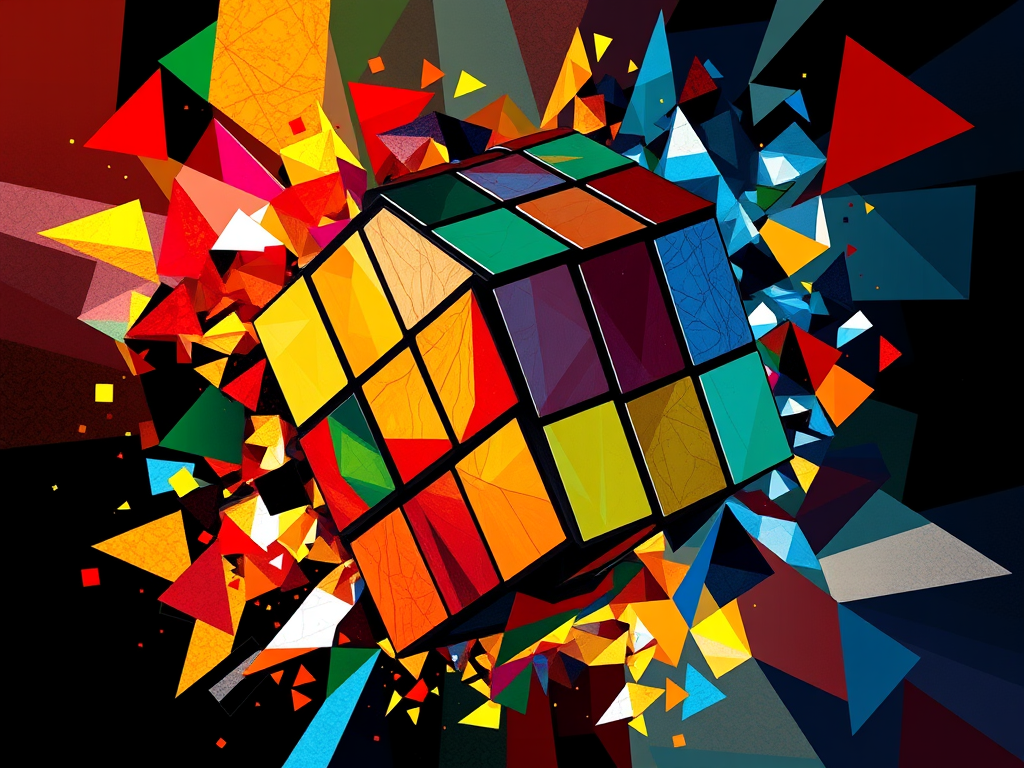
Emotions are wild, aren’t they? One minute you’re floating on a cloud of joy, and the next you’re in a full-blown disgust spiral because someone chewed too loudly. But here’s the thing—understanding emotions doesn’t have to feel like you’re wrestling a Rubik’s Cube that just won’t align. At the core of all the chaos are eight primary emotions: joy, sadness, anger, surprise, trust, fear, anticipation, and disgust. These aren’t just random feelings that pop up to make life interesting—they’re the foundation of understanding emotions and the complex feelings we experience.
So, why are these eight emotions considered “primary”? It’s because they’re universal across all cultures. While people might express or interpret emotions differently, these eight form a shared human language—they’re hardwired into our biology. Research has shown that even newborns exhibit primary emotions before they’re old enough to learn from their environment. They’re instincts, the first tools we use to navigate the world.
Now, here’s where it gets really fascinating. Primary emotions don’t just sit in isolation; they mix and blend like paint on a canvas to create the more complex feelings we experience every day. Imagine a Picasso painting—each brushstroke and fragmented shape seems chaotic and disjointed, but as you step back, the pieces come together to form a striking and meaningful whole. Emotions work the same way. For example, take anger and anticipation—blend those together, and you might get frustration. Or joy and trust? That can form love, contentment, or even relief. It’s like nature’s emotional chemistry set, creating infinite combinations that add depth to our lives.
But it’s not always simple—those emotional spirals can sneak up on us. Imagine you’re startled by a surprise (like someone shouting “BOO!”), and in a split second, that surprise might morph into fear or even anger, depending on how your brain interprets the situation. Or picture this: you’re cozied up in your silent, peaceful reading nook, fully immersed in your book, when suddenly an obnoxiously loud truck with blaring music barrels down the street at midnight. Your calm serenity flips into an anger-disgust combo faster than you can say ‘noise complaint.’ Managing emotions is less about shutting them down and more about understanding core patterns. It’s like cracking the Rubik’s Cube code (without chucking it across the room in frustration)—once you figure out the core patterns, everything else starts to align.
I’ve always had a never-ending interest in medicine, and that curiosity is what sparked this deep dive into emotions. This journey is as much about my own learning as it is about sharing what I uncover along the way. What I’m sharing here comes from personal digging and exploration, and now you’re along for the ride. Each of the primary emotions will get its own time in the spotlight in future posts. When will those arrive? Well, that’s part of the adventure—you’ll just have to stick around to see where this takes us.
Let’s embrace the unpredictability together. And here’s something for you to think about: what’s a memorable emotional spiral you’ve experienced? I’d love to hear your stories in the comments—it’s all part of the emotional adventure we’re sharing. Buckle up; it’s going to be a ride!
 Who am I?
I would love to hear from you!