
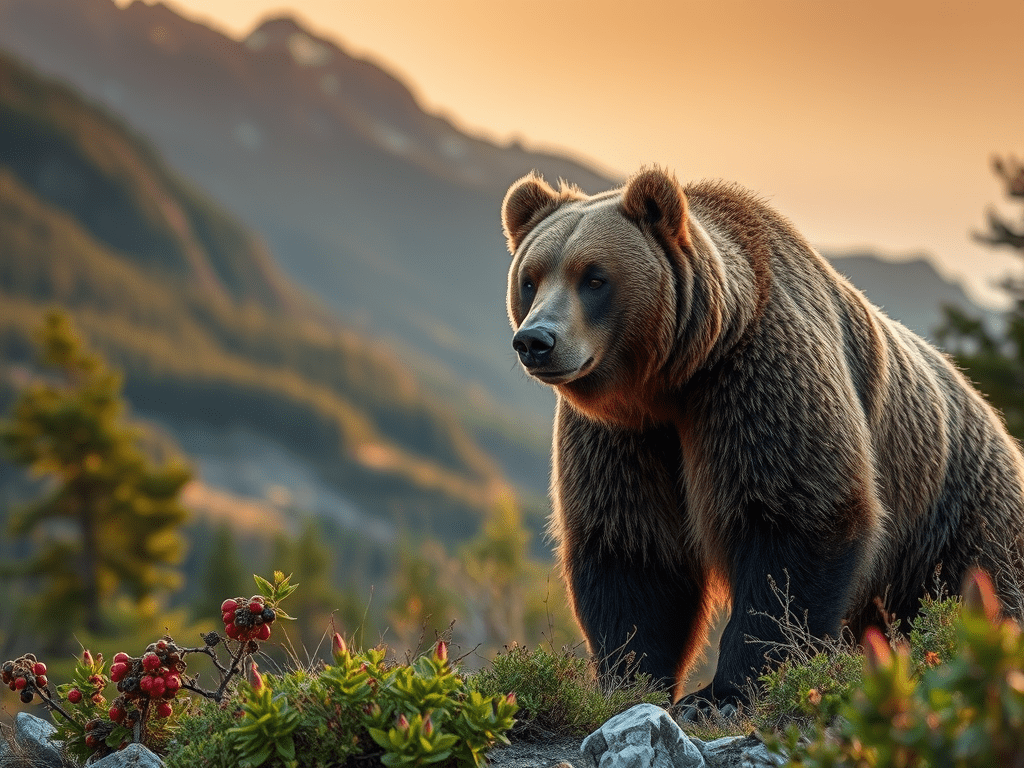
Bears are, without a doubt, one of the most fascinating creatures you’ll find in the Rocky Mountains. They’re like the ultimate symbol of the wild—powerful, adaptable, and surprisingly complex. If you’ve ever wandered through the Rockies, you’ve probably heard whispers about black bears and grizzlies (and maybe even the mythical spirit bear). These furry mountain residents are more than just wildlife; they’re a cornerstone of the ecosystem, playing roles that keep the environment thriving. Let’s dive into their world, shall we?
First off, here’s the bear lineup you’ll find in the Rockies. Black bears are everywhere, and they’re pretty versatile when it comes to living conditions. Think of them as the adaptable ones—lighthearted enough, but not to be underestimated if you cross their path. Grizzlies, on the other hand, are the heavyweight champions of the bear world. They’re larger, with that iconic shoulder hump, and they carry a reputation for being a little more, well, assertive. Spirit bears, while incredibly rare in these regions, would be the ultimate wildlife jackpot. Each of these species has different preferences for food, habitats, and behaviors, making them a diverse mix of mountain royalty.
Now, let’s talk about their famous “hibernation,” which isn’t exactly what most people imagine. Bears don’t fully hibernate the way bats or squirrels do; instead, they enter a state called torpor. It’s like hibernation’s laid-back cousin—a bit less commitment but still pretty impressive. During torpor, bears don’t eat, drink, or even take bathroom breaks. They rely entirely on their fat reserves to survive, and their bodies slow down to an astonishing degree. Their heart rate drops from around 40 beats per minute to just 8, and their body temperature dips slightly—not too much, though, because they need to stay ready to wake up if the situation demands it. Torpor is the ultimate survival hack for enduring the harsh winters up here.
Before bears settle down for the big sleep, they go through something called hyperphagia. Sounds like a fancy term, right? It’s just a scientific way of saying “eat everything in sight.” During late fall, bears pack on tens of thousands of calories a day, turning to high-energy foods like salmon, berries, and nuts. Black bears are the berry lovers, while grizzlies often dominate rivers to snag salmon. This feast is essential—without enough fat reserves, they wouldn’t make it through the winter. Watching a bear eat during hyperphagia is like seeing the ultimate buffet champion. Efficient, determined, and slightly awe-inspiring.
When it’s time to bunk down for the season, bears aren’t picky decorators. Their dens—hollow trees, caves, or even dug-out holes—are chosen for practicality, not aesthetics. Once inside, their bodies do something extraordinary. Their fat reserves sustain them, and their kidneys recycle waste into protein, keeping their systems in check. It’s a brilliant adaptation that allows them to survive for months without food or water. Many bears reuse their dens year after year, sometimes making small adjustments along the way. It’s like finding the perfect camping spot and sticking to it. I for some reason think of Yogi bear and the chaos with the campers he would cause with the picnic basket swiping.
Female bears add another fascinating twist to this story: they can give birth while in torpor. Yep, baby cubs are born during the winter, usually blind and tiny, nestled safely alongside their mother in the den. The cubs nurse and grow until spring, when mom leads them out into the world for the first time. Watching bear cubs explore is like watching kids on their first trip to an amusement park—curious, clumsy, and endlessly entertaining. Their mothers, of course, are fiercely protective, teaching them everything from foraging to avoiding danger. It’s a delicate but beautiful process that highlights the resilience of these creatures. Though I have to say as a woman who has given birth, must be damn nice to sleep through labour and delivery.
Springtime is when things really get moving again. Bears emerge from their dens hungry—like, ravenous. The first meals are usually grasses, roots, and, occasionally, carrion. Not exactly Michelin-star fare, but it gets the job done. As the season progresses, bears feast on more nutritious options like berries, fish, and nuts, steadily regaining the weight lost during torpor. By summer, you’ll see them thriving in meadows, forests, and rivers, their movements contributing to seed dispersal and ecosystem health. Bears are natural gardeners, spreading seeds and fertilizing the soil as they roam.
As visitors to the Rockies, encountering bears is a possibility, but it’s also an opportunity to respect and admire them. Safety is key—making noise, carrying bear spray, and keeping a safe distance are all important guidelines. Seeing a bear in its natural habitat can be awe-inspiring, reminding us of the delicate balance of nature and our role within it. Bears are apex predators and scavengers, critical to maintaining the health of their environment. But as human activity encroaches on their territories, conservation efforts become increasingly important. Educating people and managing habitats responsibly is essential to ensuring a future where bears can continue to thrive.
So there you have it—the life of a bear in the Rockies, from hyperphagia feasts to torpor naps, spring awakenings to summer escapades. They’re extraordinary creatures, adapting to challenges and thriving in the wild. Whether you’re lucky enough to spot one or simply marvel at the idea of their survival strategies, bears are a reminder of nature’s brilliance. And hey, if you do happen to cross paths with one, just remember: stay respectful, stay calm, and your going to be good in the mountains they call home.
 Who am I?
I would love to hear from you!