
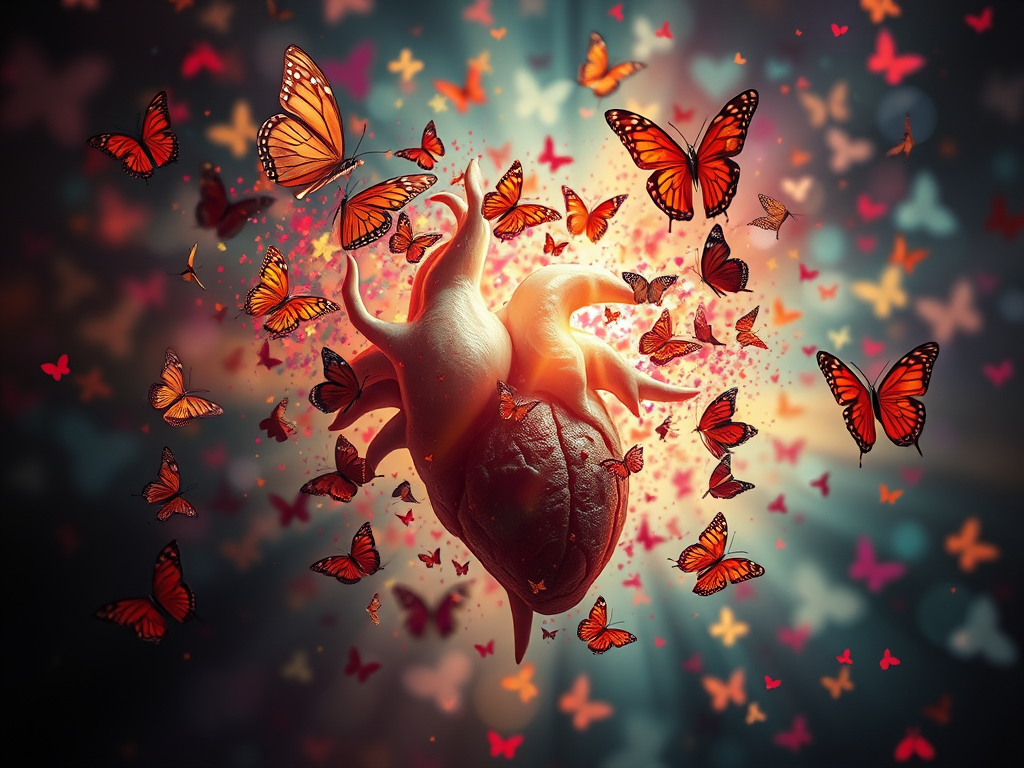
So, I stumbled upon the neatest thing, or maybe the strangest thing—depends on how you look at it. Hypopituitarism. Sounds fancy, doesn’t it? Rolls off the tongue like you’re casting some obscure spell in a wizard duel, but no, it’s not magic—it’s science, and honestly, it’s kind of heartbreaking. Apparently, this rare condition messes with the pituitary gland, rendering it unable to perform certain hormone-related duties. And guess what? One of those “duties” might just include the ability to feel the rapture of love. Yes, you heard me. Love. The big L-word. The fluttery, heart-racing, head-over-heels sensation that Hallmark card companies and Nicholas Sparks novels have built empires upon.
Naturally, my reaction was a mix of disbelief and morbid curiosity. Wait, what? A life without love? What does that even look like? Because I, for one, can’t imagine not knowing the sensation of butterflies running a marathon in your stomach when someone you fancy walks into the room. So, like any rational human being faced with existential dread, or just me being well me, I launched myself down a rabbit hole of information. And let me tell you, this rabbit hole was not paved smoothly—it was chaotic, messy, and occasionally littered with questionable research articles from the murkier corners of the internet.
Turns out, hypopituitarism doesn’t just mess with love; it’s here to ruin a whole assortment of bodily functions that you probably don’t even think about on a regular basis. The pituitary gland is like the CEO of your hormonal boardroom, and when it goes on strike, chaos ensues. Growth? Nope. Metabolism? Better luck next life. Reproduction? Ha! Not today. It’s like the gland decided it’s done with office politics and just checked out, leaving the rest of the body to fend for itself. And amidst its rebellion, it may also take with it the feelings of emotional highs and connections that make life worth living.
Here’s the kicker though—this isn’t just about romantic love. Hypopituitarism might also mess with feelings of familial love, platonic love, love for your dog, your cat, your favorite pizza topping. I mean, imagine casually looking at a pineapple-topped pizza and not feeling the automatic pang of joy (or fury, depending on where you stand in the great pineapple debate). The thought alone makes me shudder.
Why does this happen, you ask? Well, like most things in life, it’s complicated. The pituitary gland, no bigger than a pea, sits at the base of your brain, quietly orchestrating hormonal harmony. But sometimes, life throws curveballs—tumors, trauma, infections, unknown stuff—and suddenly this little pea-sized maestro is out of tune. It either stops producing hormones or doesn’t produce enough, and all hell breaks loose. Symptoms vary wildly, from fatigue and depression to an inability to experience emotional highs. And while physical symptoms are alarming—insomnia, weight changes, infertility—the emotional aspect is what keeps me awake at night.
I mean, imagine never feeling the rush of adrenaline when you realize your crush has texted you back, or the warm fuzzies of hugging your grandma. I’m not saying those emotions define life, but they’re certainly the sprinkles on the cupcake. Without them, life feels flat—like a two-dimensional movie with no soundtrack. Would holidays even matter? Would you even care if you won the lottery? The thought of it feels like the punchline to the world’s saddest joke.
But here’s where the chaos really hits. While I’m digging through journals and articles, I stumble upon stories—real-life accounts of people living with this condition. And let me just say, these folks are warriors. Some describe the experience as living in a perpetual state of gray—no highs, no lows, just an endless plateau of neutrality. Others talk about the practical challenges, like explaining to their loved ones why emotional reciprocation feels like trying to grasp smoke. It’s not that they don’t want to feel love; it’s that their bodies have betrayed them, robbing them of the biological tools to experience it fully. And then there are a few who seem unfazed, claiming that their condition has freed them from the drama of human emotions. Honestly, part of me envies them—living life without heartbreak sounds like a vacation from the endless soap opera that is existence. Though most of me cries for them for not knowing these things like we get to.
Still, it’s hard for me to imagine. Love has been such a central theme of my life, even if it’s mostly unrequited (thank you, middle school crushes). But even those awkward moments—like fumbling over your words on a first date or accidentally liking an ex’s photo from three years ago—are part of the experience. They’re messy, cringe-worthy, and occasionally devastating, but they’re real. They make you feel alive. Without them, what’s left? A void? A spreadsheet of existence with no colorful graphs?
Okay, I’m being dramatic. Not everyone with hypopituitarism experiences this emotional detachment. The condition varies greatly depending on which hormones are affected and to what extent. Treatments exist—hormone replacement therapies, surgeries, medications—but they’re not exactly foolproof. It’s not like popping a magic pill and suddenly feeling Cupid’s arrow pierce your heart. It’s a long, often frustrating process of trial and error, and some people don’t regain those emotional sensations at all.
As I sat there, staring at my screen and contemplating the depths of human connection, I couldn’t help but feel a pang of gratitude. For all its messiness, heartbreak, and occasional chaos, love is such a gift. It’s unpredictable, often inconvenient, but it’s what makes life technicolor. And knowing there are people out there who don’t get to experience it fully—it’s humbling and heartbreaking all at once.
So here’s to the pituitary gland, that little pea-sized powerhouse. May yours always function properly, allowing you to feel the highs and lows, the crushing defeats and euphoric victories, the love for your family, friends, pets, and yes, even pineapple pizza. Because life without those sprinkles? It’s just not the same cupcake.
In conclusion—wait, is this a conclusion?—I’m not sure where I’m going with this. Maybe just appreciate your emotions a little more today. Hug those you love. Text your crush. Eat the pizza. Feel the love. And if your pituitary gland ever goes rogue, well, then you’ll have one heck of a story to tell.
 Who am I?
I would love to hear from you!